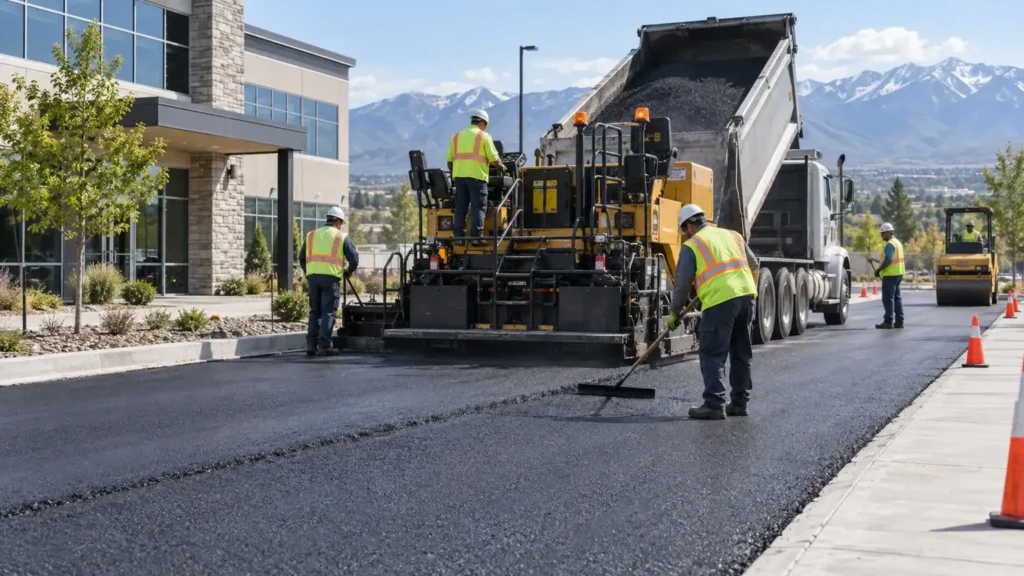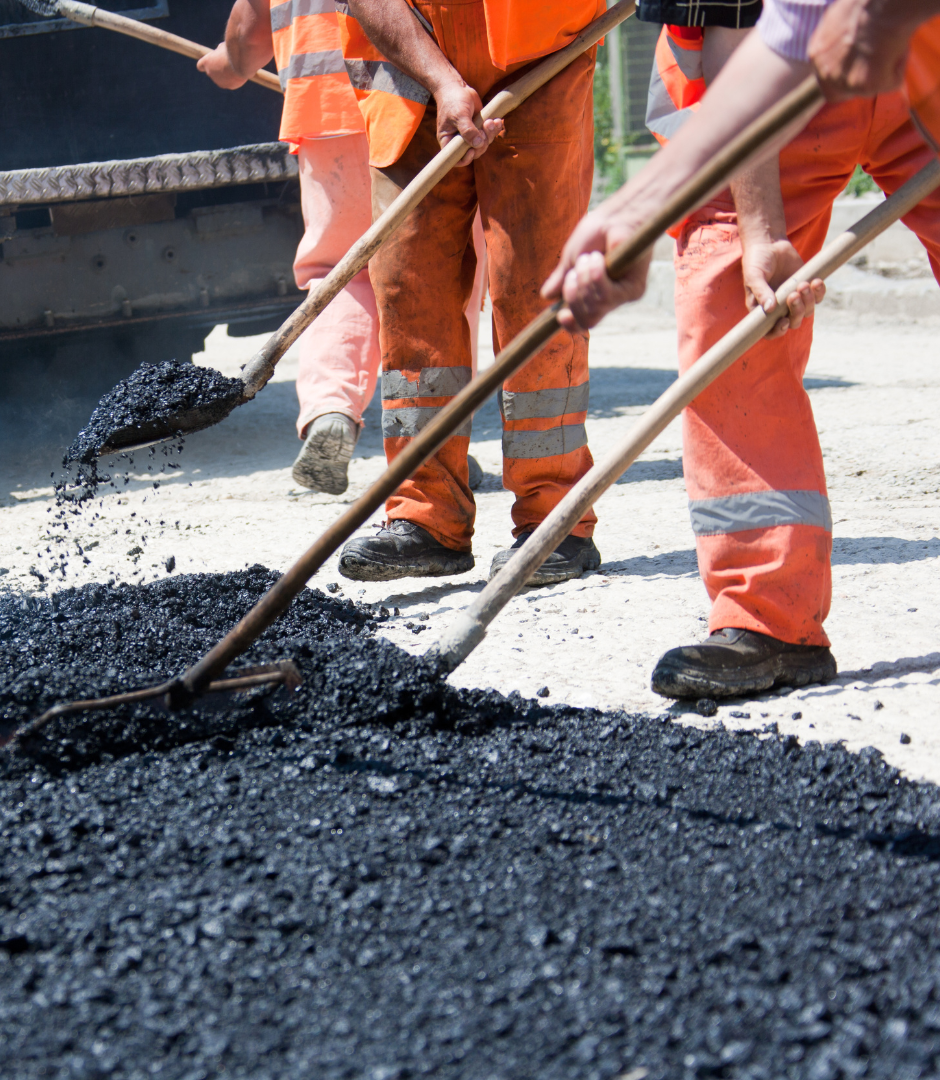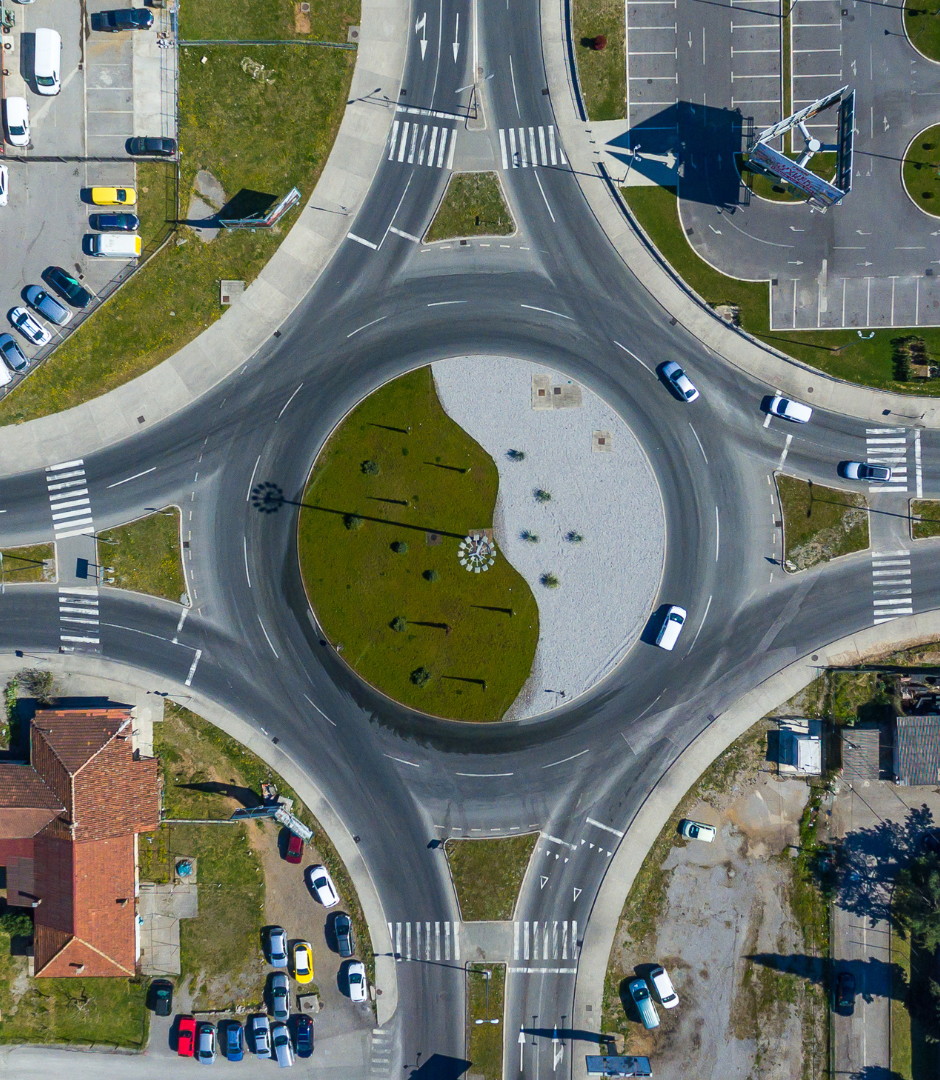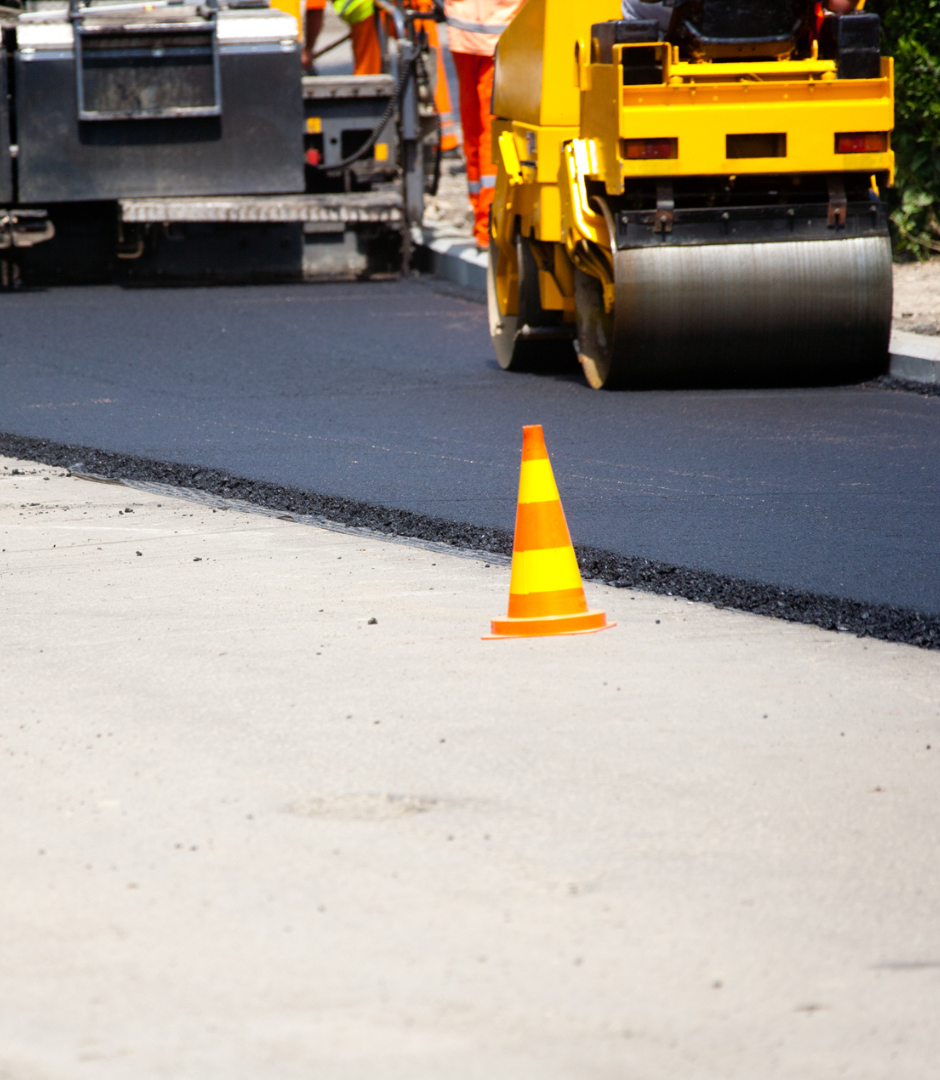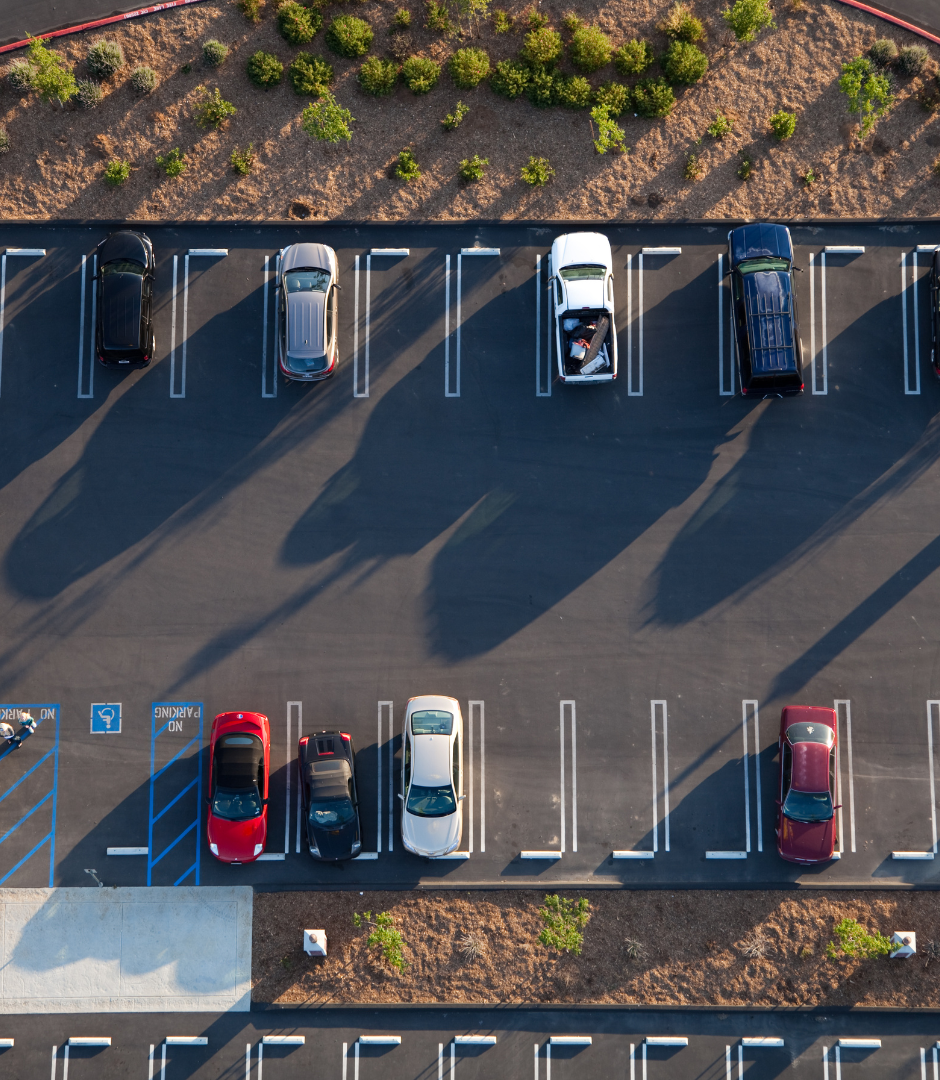
Durable asphalt paving in Spanish Fork, Utah requires a complete pavement section: stable support, compacted aggregate, drainage, asphalt matched to traffic, sound joints, and a workable construction sequence. On an established retail, school, church, healthcare, multifamily, or residential property, the hardest part may be fitting new pavement among existing curbs, mature trees, utility structures, entrances, and occupied buildings.
Current Utah contractor-published guides place many new paving scopes around $3–$9 per square foot. Suitable overlays are often cited around $2.50–$4.50 per square foot, while full repaving with removal is commonly listed around $5–$10 per square foot. These are planning references—not independent averages, guaranteed market rates, or an 801 Asphalt price list. Area, demolition, soil, aggregate, compacted thickness, drainage, access, phasing, haul, and testing can change a quote.
801 Asphalt provides a detailed, scope-matched quote and aims to stay competitive for comparable Utah work. Compare written areas, compacted sections, base assumptions, drainage, mix, phasing, traffic control, and exclusions before comparing totals.
Quick navigation
- Best property uses
- Spanish Fork's established-site constraints
- Selecting the treatment
- Base and thickness
- High-quality procedure
- 2026 prices
- Three niche questions
- Proposal checklist
Where asphalt paving fits in Spanish Fork
Properly designed commercial asphalt paving or residential asphalt paving can suit:
- Downtown and corridor businesses rebuilding customer parking, compact access points, drive aisles, loading approaches, and connections to public streets.
- Campus-adjacent housing, schools, churches, and recreation facilities needing phased parking lot paving around move-in periods, events, buses, pedestrian routes, and emergency access.
- Clinics and healthcare sites where smooth transitions, accessible routes, patient drop-off, deliveries, and continuous operations require careful coordination.
- Rental housing, apartments, and established multifamily properties replacing private drives or parking courts around residents, utilities, mature trees, and drainage structures.
- Warehouses and service businesses that distinguish passenger areas from trucks, tight turns, docks, waste routes, and static loads.
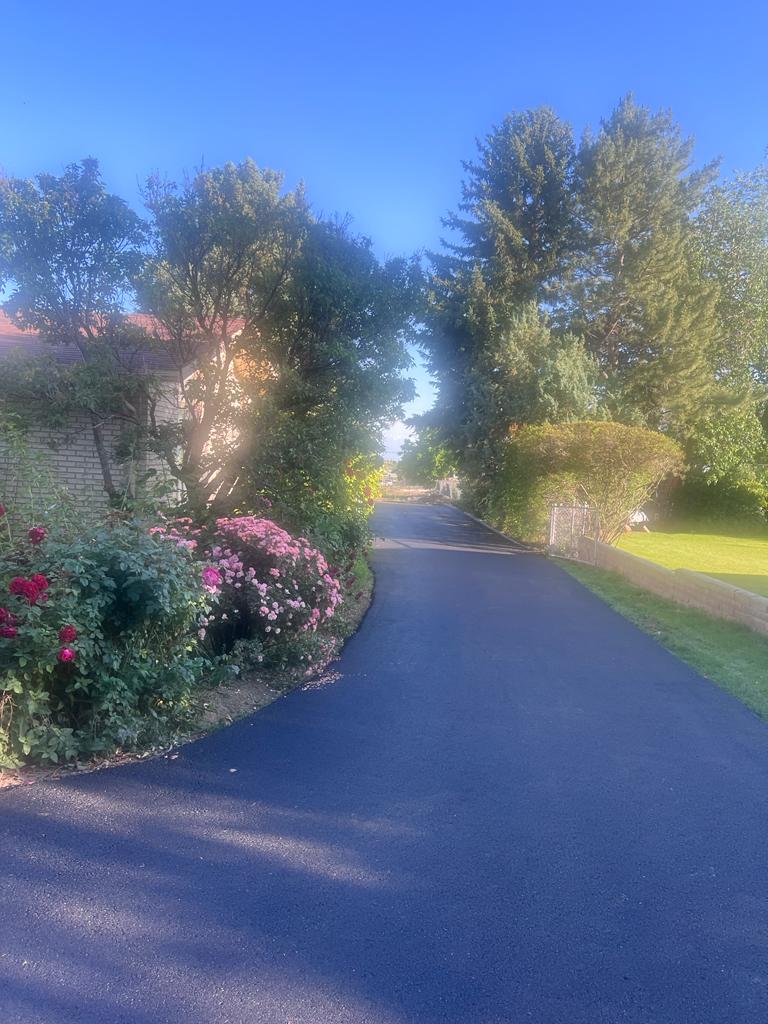
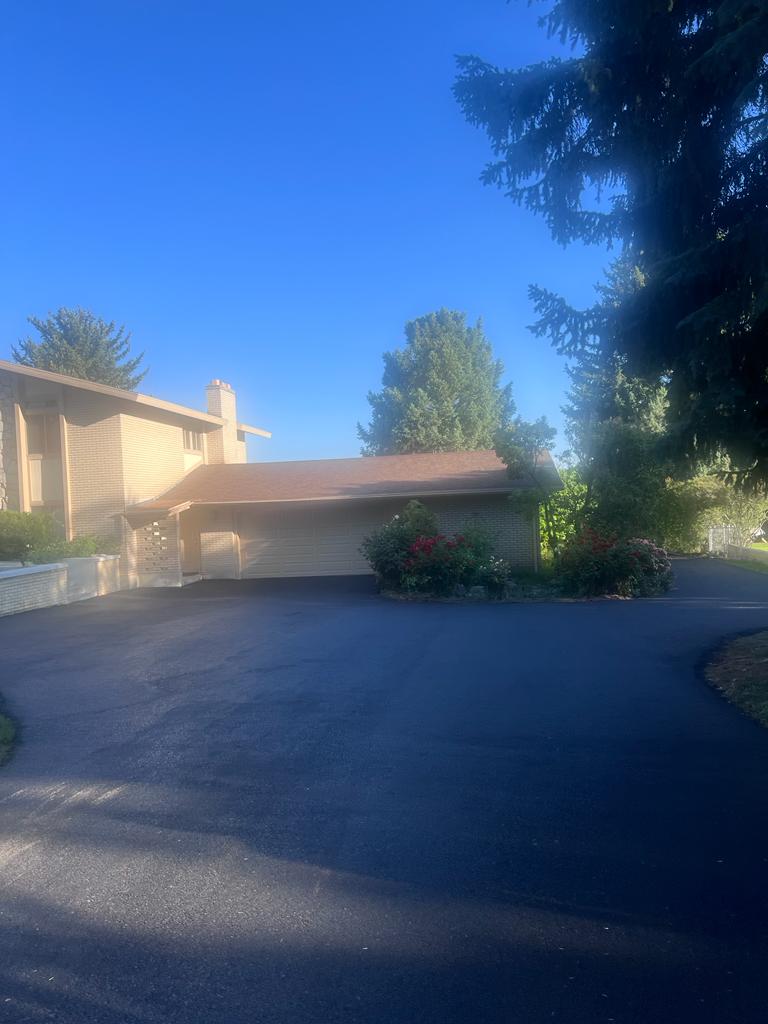
- Homeowners replacing an aging driveway after checking garage elevation, sidewalk and curb relationships, runoff, roots, and equipment access.
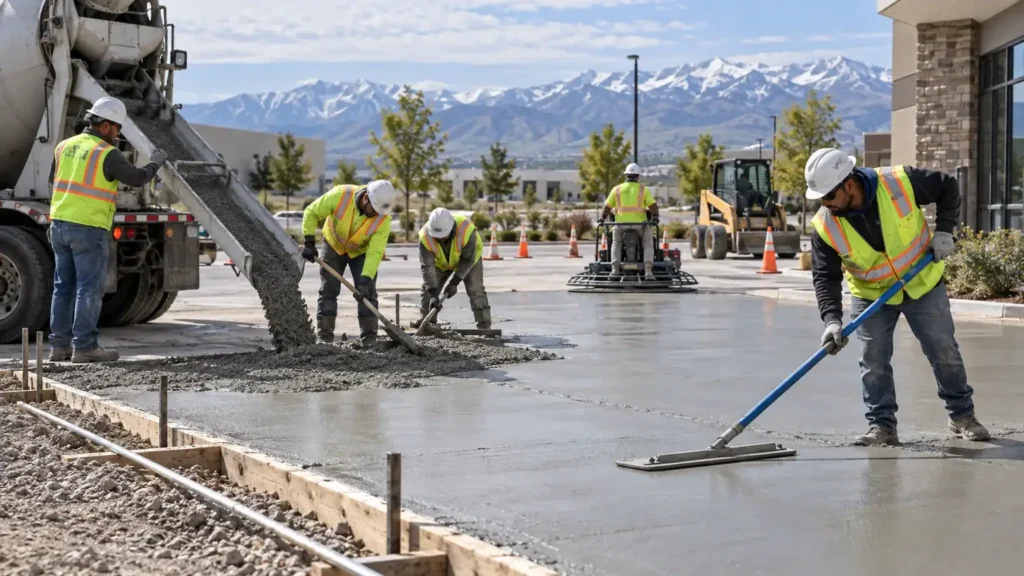
Asphalt is not always the right material for concentrated loads. Dumpster pads, fuel exposure, trailer landing gear, repeated heavy turning, and narrow unsupported edges may require concrete or a specialized section. Very small isolated areas can also carry high mobilization costs. The material decision should follow function and maintenance planning.
Spanish Fork context: heavy vehicles, groundwater checks, and drainage design
Spanish Fork paving serves industrial yards, agricultural businesses, retail sites, schools, churches, multifamily properties, private drives, and expanding residential areas. A section designed for passenger cars may not support repeated trailers, service trucks, farm equipment, delivery turning, or static loads near dumpsters. The scope should map those routes and strengthen the support, thickness, and edge detail where loading is concentrated.
The city's development application guidance requires detailed soils information for qualifying development, including road-design support such as CBR, groundwater impacts, and general stability. It also calls for stormwater calculations and site grading that avoids flooding or standing water. Those public requirements are not a one-size-fits-all private pavement prescription, but they illustrate why subgrade, groundwater, grade, and drainage belong in a serious paving investigation.
Spanish Fork's established and growing sites may also contain pressurized irrigation, utility trenches, rural shoulders, older approaches, and future construction phases. Locate planned cuts and structures before paving. A smooth mat over weak trench backfill or a wet low area can settle even when the asphalt itself is properly placed.
For applicable public development work, the Engineering Division performs inspections that include subbase and asphalt and requires materials testing. Private owners can apply the same quality logic by making lift thickness, base compaction, material delivery, joint construction, drainage checks, and final documentation explicit in the quote.
Overlay, reconstruction, or new installation
An asphalt overlay adds a new lift over existing pavement that can still support it. It may fit stable areas with limited treatable cracking, acceptable drainage, and enough elevation at curbs, drains, utility lids, doors, and sidewalks. Milling can restore profile or create tie-ins. An overlay is not a structural cure for pumping, deep rutting, widespread fatigue cracking, or recurring settlement.
Full reconstruction removes failed asphalt and rebuilds support. It is commonly considered when base or grade is the failure mechanism. An established Spanish Fork property may benefit from a mixed treatment: reconstruct loading lanes, repair utility settlements, mill around concrete and drains, and overlay stable parking rows. The proposal should map each method.
New installation starts without a useful pavement structure. It includes excavation, subgrade preparation, aggregate base, grading, and new hot mix asphalt. Finished elevations must be planned before excavation so the surface works with existing buildings, sidewalks, curbs, accessible routes, landscaping, and drainage.
Design the section for support and traffic
No single asphalt thickness fits every Spanish Fork site. Vehicle type, axle load, frequency, turning, static load, subgrade support, moisture, aggregate quality, mix, and edge confinement all matter. Passenger parking, bus loops, delivery lanes, and waste routes should not receive the same section merely because they share a lot.
Current contractor guidance often describes compacted asphalt of roughly two to three inches over aggregate for residential examples and thicker sections for heavy commercial traffic. Those figures are examples, not city standards or project designs. A quote should state compacted thickness and identify the traffic assumption.
Road base preparation can involve removing organics, undercutting weak soil, using separation material where specified, placing aggregate in controlled lifts, moisture conditioning, compaction, and proofing. Tree roots, old trenches, wet pockets, and inconsistent prior fill may require special decisions. Where the cause is uncertain, geotechnical input, test pits, or proof rolling can reduce guesswork.
A high-quality Spanish Fork paving procedure
1. Map use, limits, and existing features
Measure the area and identify passenger vehicles, deliveries, buses, waste trucks, trailers, and construction equipment. Mark curbs, sidewalks, accessible routes, doors, docks, islands, trees, irrigation, utilities, drains, property limits, and future work. Establish whether permits, approved plans, or public right-of-way coordination apply.
2. Investigate support and existing pavement
Review available grading, utility, and geotechnical information. On old pavement, map cracking, rutting, pumping, patches, roots, utility cuts, and ponding. On new areas, locate topsoil, debris, soft soil, and fill. Use cores, test pits, proofing, or professional review when surface clues are insufficient.
3. Set finished grade and drainage
Confirm elevations before demolition. Water should leave pavement without ponding at doors, accessible routes, curb returns, joints, or landscape edges. Coordinate curb inlets, manholes, swales, and adjacent properties. Civil design may be needed when the project changes approved drainage.
4. Remove failed material and stabilize subgrade
Excavate old asphalt, organics, unsuitable material, and debris within written limits. Shape and compact the subgrade at workable moisture. Correct yielding areas rather than bridging them with extra asphalt. Protect mature roots only under an approved landscape and pavement strategy.
5. Build aggregate base and check structures
Place specified aggregate in manageable lifts, control moisture, and compact each lift. Check crown, cross-slope, utility lids, curb exposure, drains, and tie-ins. Keep ongoing site work from rutting or contaminating the prepared base.
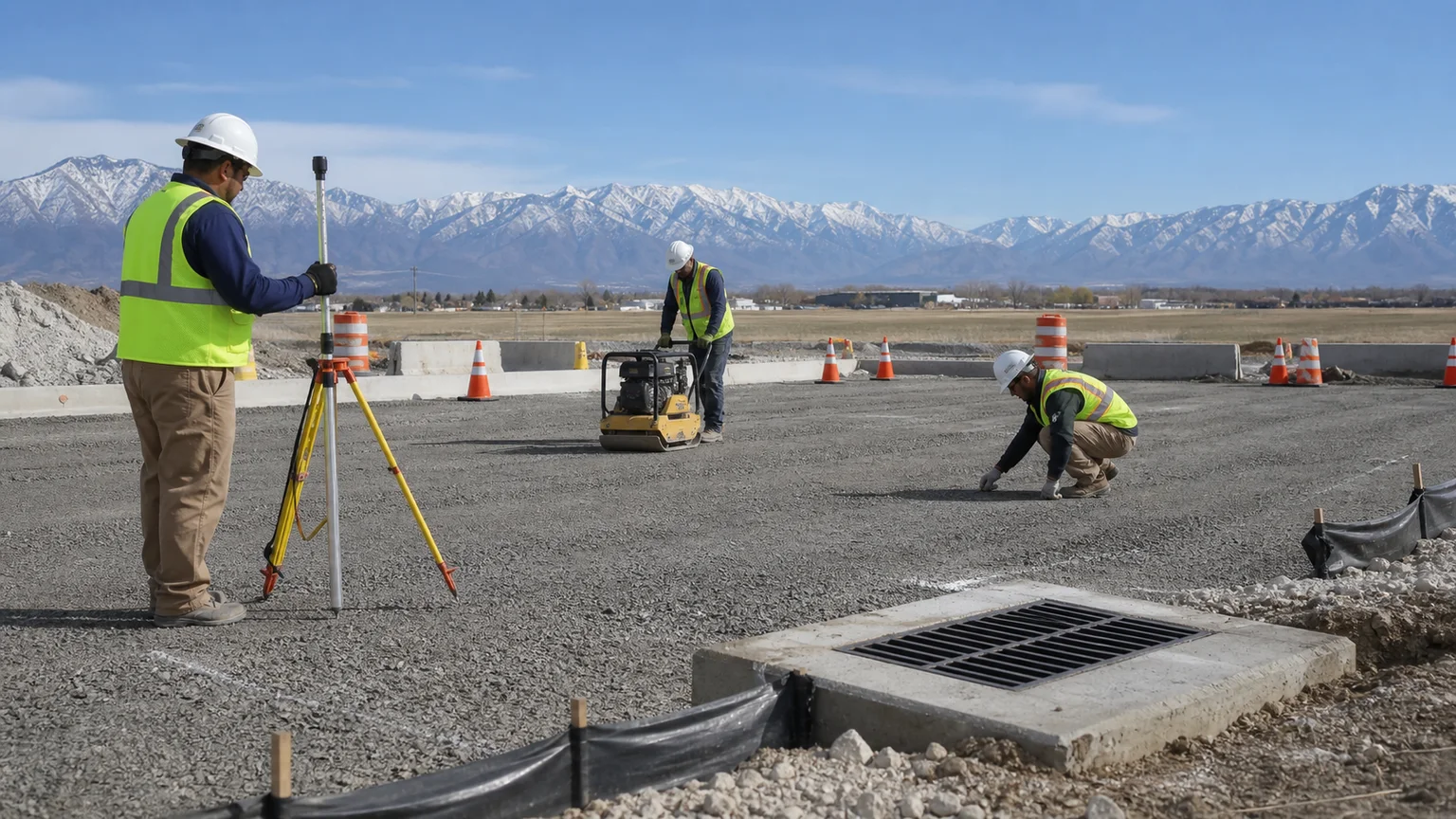
Original AI-assisted illustration of representative base and curb-inlet quality control. It is not a photograph of an 801 Asphalt project.
6. Prepare transitions and coordinate hot mix
Clean milled surfaces and vertical faces, and use tack where the specification requires it. Adjust or protect utility structures. Coordinate plant production and trucks so the paver receives material steadily. Delays can reduce temperature, create bumps, or weaken joints.
7. Place asphalt in planned lifts
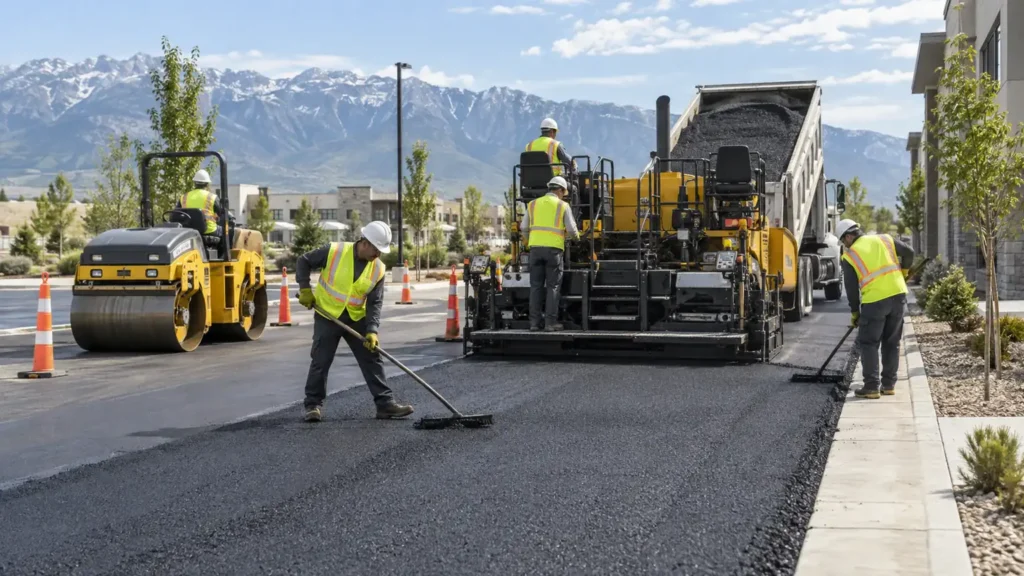
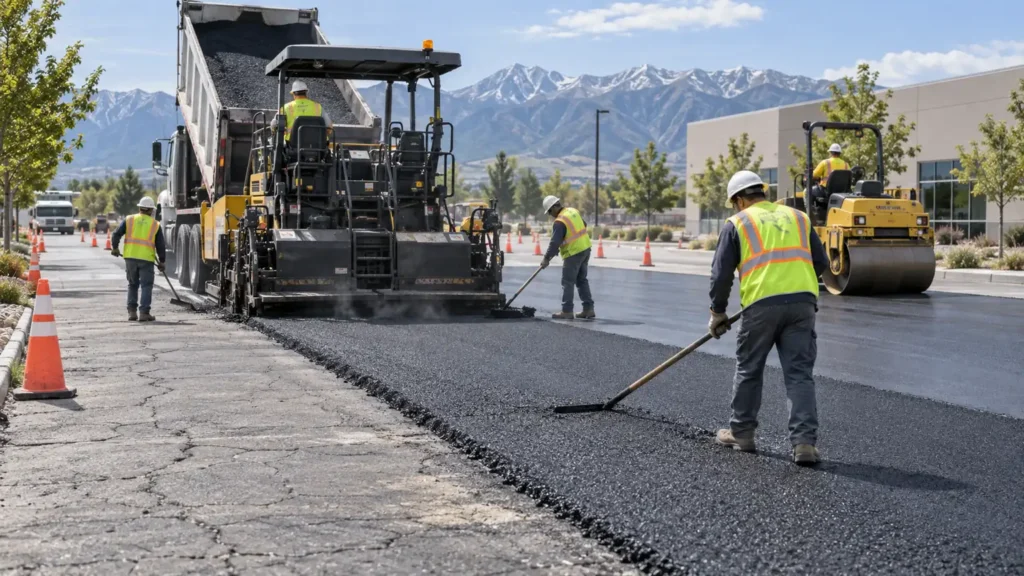
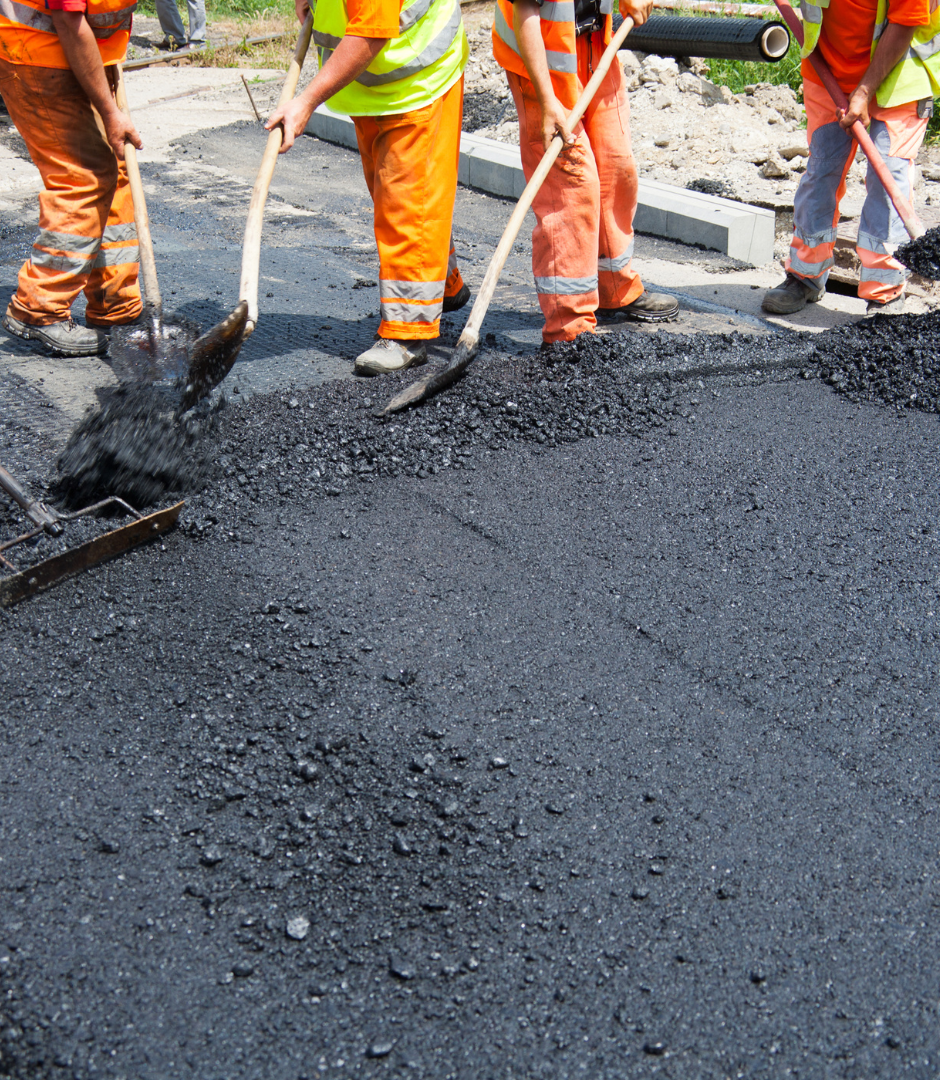
Operate the paver at consistent speed and material head. Lay the depth needed for the specified compacted lift. Plan handwork around islands, drains, and curbs. Protect buildings, sidewalks, landscaping, vehicles, and stormwater structures.
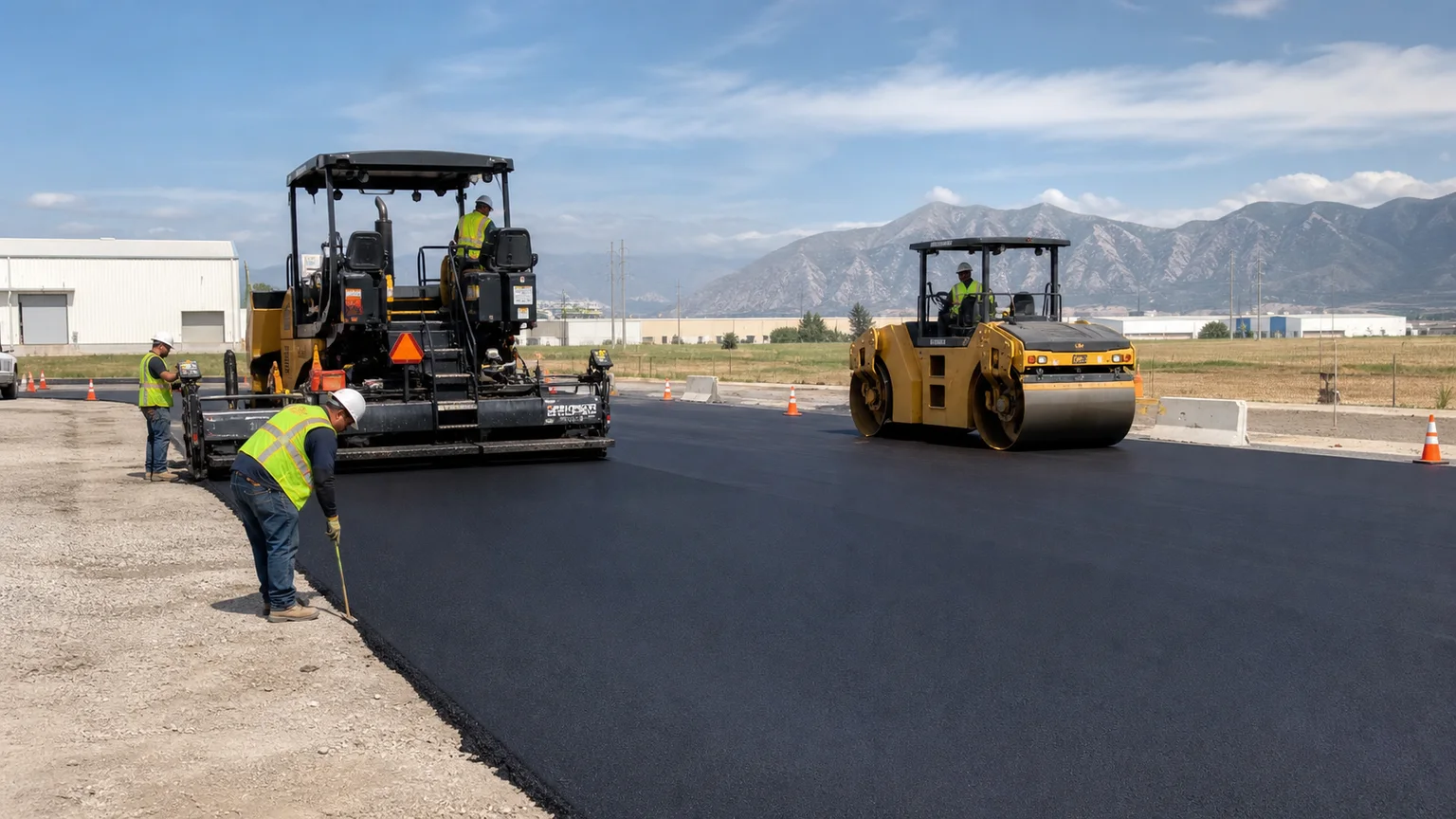
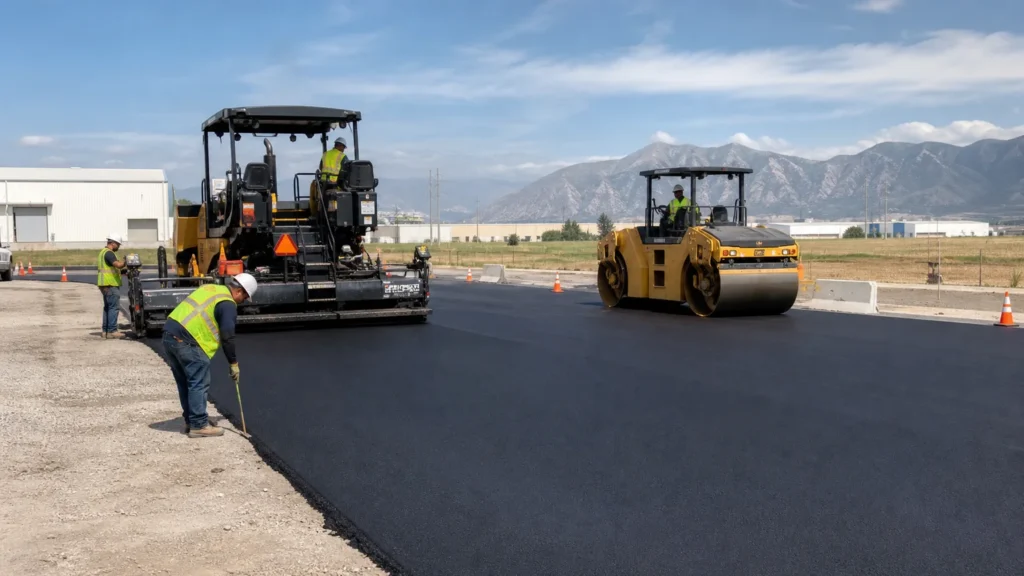
Original AI-assisted illustration of a representative phased urban-property paving operation. It is not a photograph of an 801 Asphalt project.
8. Compact before the mat cools
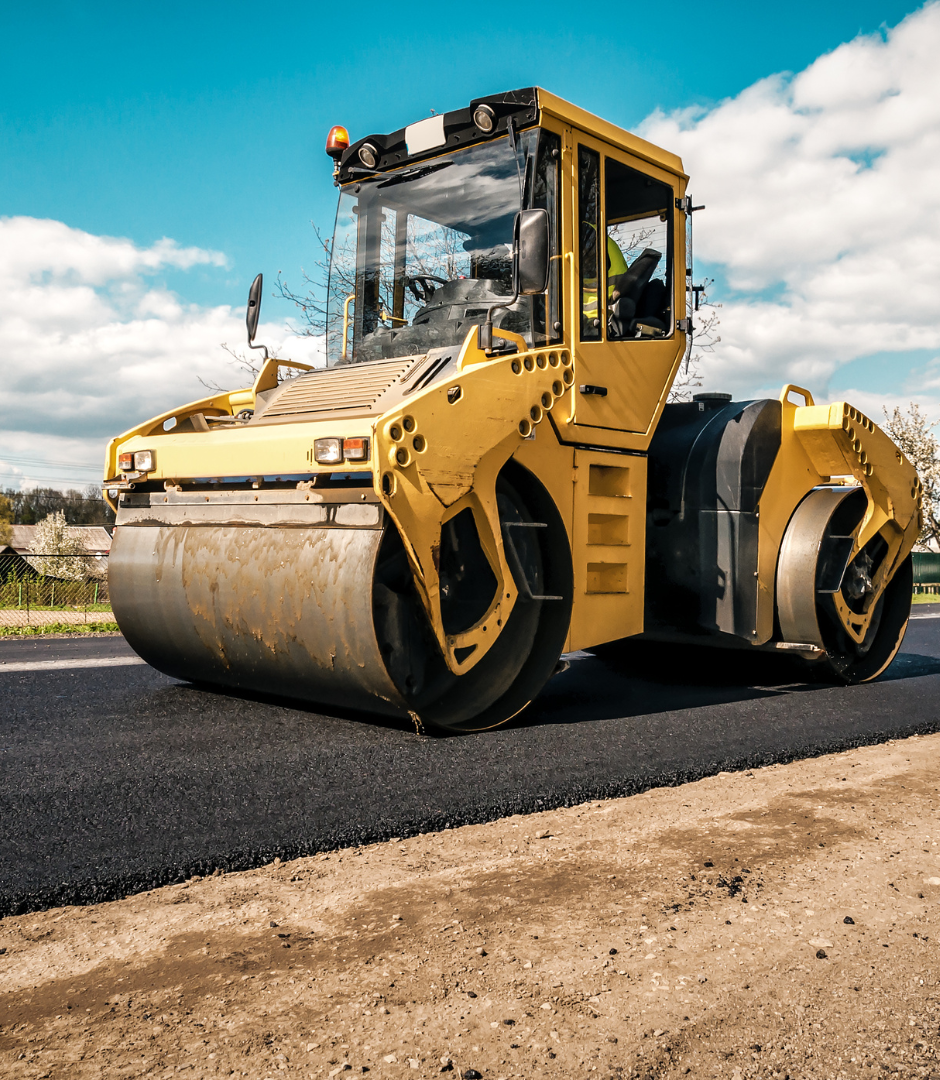
Effective asphalt compaction uses a roller pattern matched to mix, lift, weather, and geometry. Density is difficult to recover after cooling. Joints, edges, crowns, turns, and transitions require deliberate treatment. Contract-specific checks may include temperature, density, thickness, smoothness, and grade.
9. Inspect, phase reopening, and document
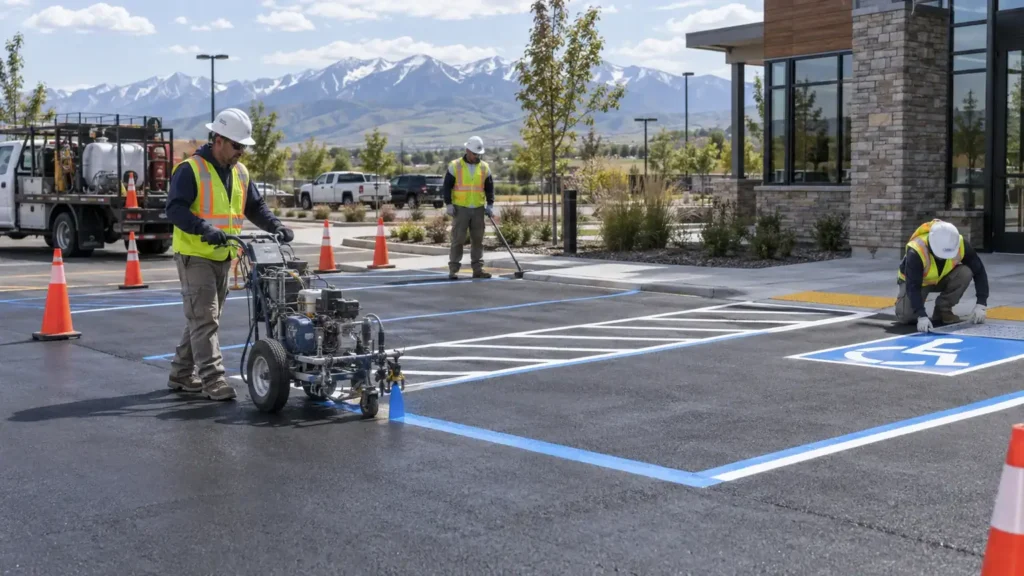
Review drainage, smoothness, joints, edges, segregation, transitions, utility elevations, and cleanliness. Keep sharp turns, concentrated stands, and heavy construction loads off new pavement for the stated project-specific period. Document quantities, mix, compacted section, tests, weather, approved changes, and excluded work.
2026 asphalt paving costs in Spanish Fork
The following Utah contractor-published examples were checked August 25, 2026. They are planning references, not government schedules, independent averages, guaranteed rates, or quotes from 801 Asphalt.
| Paving scope | Published Utah planning range | Unit | Typical cost drivers | Source |
|---|---|---|---|---|
| New residential or small-commercial paving | About $4–$7 | square foot | Base, thickness, access, area, haul | 801 Asphalt paving cost guide |
| Grading and excavation | About $1.50–$4 | square foot | Soil, cut/fill, disposal, aggregate | 801 Asphalt paving cost guide |
| Tear-out and hauling | About $1–$2 | square foot | Existing depth, disposal, access | 801 Asphalt paving cost guide |
| Residential paving examples | About $3–$6 | square foot | Preparation, compacted section, mobilization | 801 Asphalt paving cost guide |
| Commercial paving example | About $5–$7+ | square foot | Traffic, base, phasing, lifts, striping | 801 Asphalt paving cost guide |
| Suitable overlay | About $2.50–$4.50 | square foot | Milling, repairs, tack, transitions | 801 Asphalt paving cost guide |
| Full repave with removal | About $5–$10 | square foot | Demolition, base correction, asphalt, disposal | 801 Asphalt paving cost guide |
An asphalt cost per square foot is comparable only when scope matches. One proposal may reuse base; another includes excavation. Mature properties can add utility adjustments, root conflicts, drain work, tight phasing, tenant access, and small irregular areas. Small jobs often cost more per square foot because equipment, crew, and trucking are spread over fewer tons.
Three Spanish Fork paving questions
How thick should asphalt be for a Spanish Fork property?
Start with the heaviest vehicles, frequency, turning, and static loads. Then evaluate subgrade, aggregate, drainage, mix, and edge support. Contractor examples are budgeting references, not design. Ask for compacted base and asphalt thicknesses plus the traffic assumption in writing.
When is an overlay unsuitable on established pavement?
An overlay is usually unsuitable where movement is structural: widespread alligator cracking, pumping, deep rutting, settlement, saturated support, or elevation conflicts. It may work where pavement remains stable and milling, localized repair, drainage, and tie-ins can produce a functional profile. Investigation should resolve uncertain failure causes.
How do existing utilities, trees, drainage, and access affect price?
Utility lids and trenches add adjustment and risk. Tree roots can conflict with grade and support. Drainage structures can require milling or elevation correction. Occupied retail, school, or healthcare properties may need multiple phases and traffic control. A proposal should connect each cost item to a mapped condition.
Quality checklist for a Spanish Fork paving proposal
When comparing a Utah paving contractor for Asphalt in Utah, confirm:
- Area, pavement use, vehicle assumptions, and phases are mapped.
- Demolition, excavation, disposal, weak soil, roots, and trench correction are defined.
- Compacted aggregate-base, subbase, and asphalt thicknesses are stated.
- Mix, lifts, tack, joints, transitions, and edges are described.
- Pavement drainage, inlet elevations, and runoff controls are addressed.
- Utilities, irrigation, sidewalks, curbs, trees, and future work are coordinated.
- Equipment access, trucking, tenant routes, and closure notices are planned.
- Weather limits, rolling sequence, and acceptance checks are identified.
- Testing, permits, right-of-way work, and design responsibility are assigned.
- Mobilization, taxes, escalation, exclusions, and change-order triggers are clear.
- Reopening distinguishes passenger traffic from heavy or turning loads.
- The bidder explains why overlay, reconstruction, new paving, or a mixed plan fits each area.
Map the old site before rebuilding its surface
Walk the property with plans, maintenance records, and an operating calendar. Mark drainage, utilities, roots, old patches, soft areas, and traffic. Ask bidders to price the same treatment map and compacted section. That makes the quote comparison about value rather than hidden scope differences.
Learn about 801 Asphalt's commercial and residential paving service, browse the Spanish Fork article hub, and review related Utah guidance for Lehi asphalt paving and phasing and full-depth asphalt repair.
Request a free project assessment or call (801) 277-4258. Request measured quantities, compacted section, drainage, phasing, quality checks, and exclusions so competing quotes cover equivalent work.
Editorial disclosure
Author: 801 Asphalt Editorial Team
Technical review: Automated source, pricing, link, and claims validation completed August 25, 2026; no unverified local project claim was included.
Published and updated: August 25, 2026
AI assistance: AI assisted with drafting and the two original illustrations. The images are representative scenes, not photographs of 801 Asphalt projects.
Sources and review notes
- Spanish Fork development application requirements
- Spanish Fork Engineering inspections and materials testing
- Spanish Fork stormwater program
- 801 Asphalt paving cost guide
- 801 Asphalt paving cost guide
- 801 Asphalt paving cost guide
Sources and prices checked August 25, 2026. Contractor-published figures are market examples, not government schedules, independent averages, an 801 Asphalt price list, or guaranteed quotes. Applicable public or permitted work should be checked against current Spanish Fork requirements and approved plans. No unverified project-history, ranking, licensing, warranty, lowest-price, or local-experience claim is included.