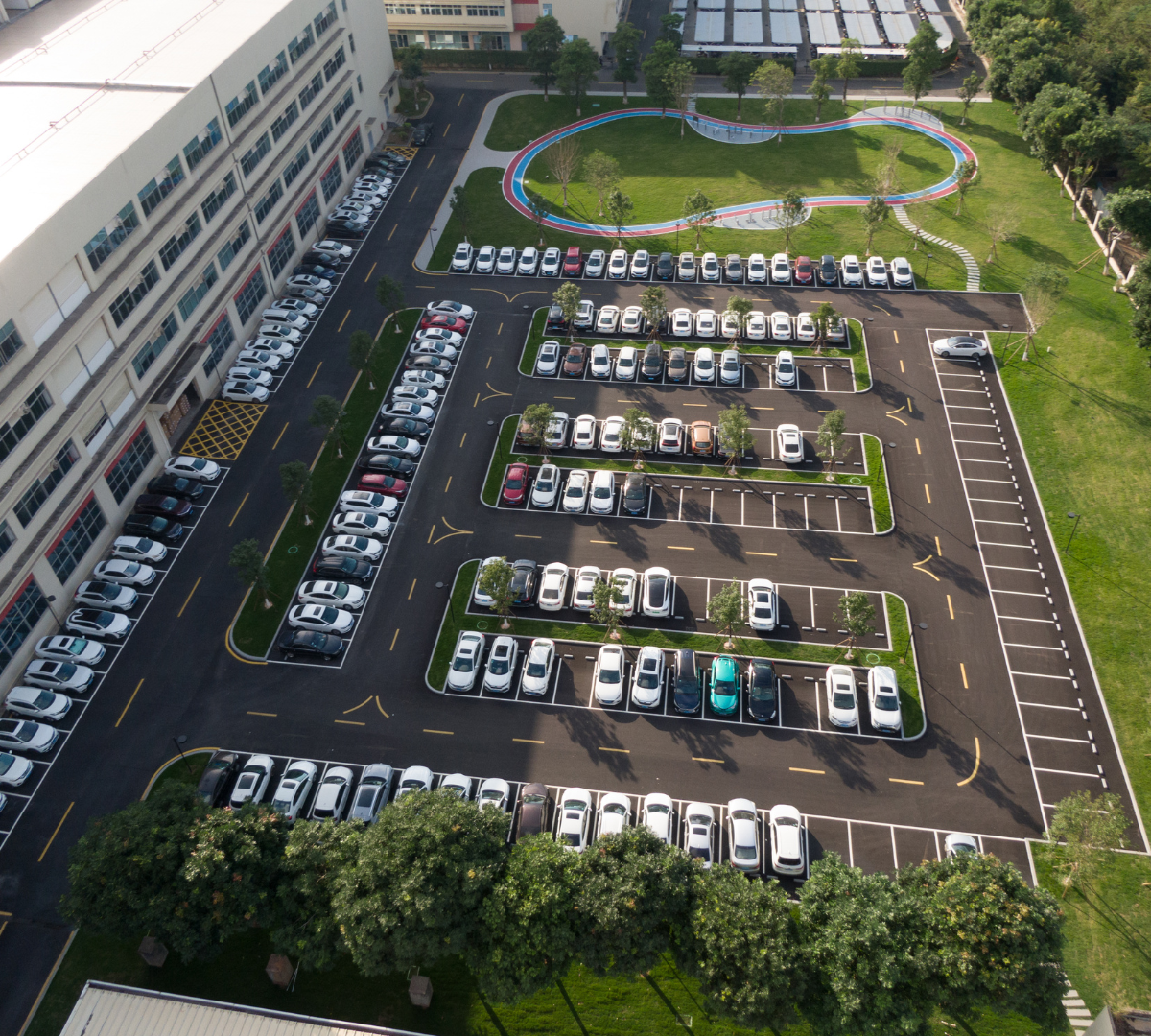
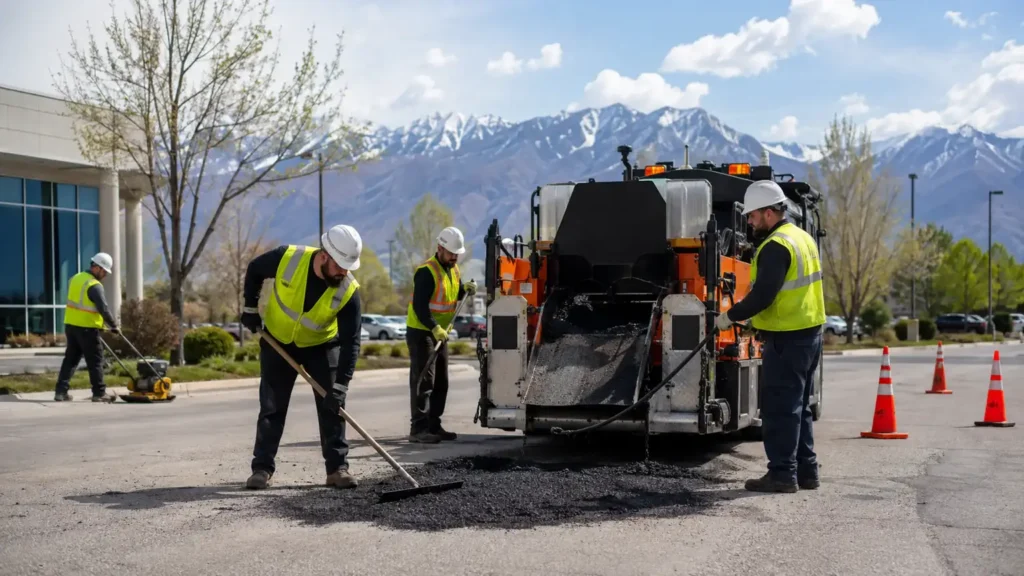
For pothole repair draper utah, the useful first answer is not a universal price or a cosmetic promise. Pothole repair should remove the failed pocket, determine whether support is unstable, rebuild the authorized depth, compact a compatible repair, and close the boundary before water and traffic reopen it. Draper combines hillside and bench properties with HOAs, medical offices, schools, technology and office sites, retail centers, and commuter traffic. Steep grades, geotechnical conditions, storm drainage, irrigation, and high-elevation weather exposure can determine whether a pavement treatment succeeds.
Current Utah planning ranges place this work around $100–$400 for many small surface pothole patches and $6–$12 per repaired sq. ft. for many full-depth repairs; depth, failed base, water, access, hot-mix availability, traffic control, and mobilization affect the written quote. Those figures are not government schedules, guaranteed prices, or an 801 Asphalt rate card. A site visit can change the scope because quantity, existing condition, drainage, access, mobilization, materials, traffic control, weather, and required testing all affect cost.
801 Asphalt provides a detailed, scope-matched quote and aims to stay competitive for comparable Utah work. Invite each bidder to price the same map, quantities, assumptions, preparation, materials, quality checks, and exclusions; then ask for a written comparison when another proposal appears lower.
801 Asphalt is licensed and insured, brings over 30 years of experience, provides asphalt and concrete services, and uses the owner-confirmed slogan “Utah’s #1 Asphalt Company for the Smart Buyer.” The company offers competitive pricing and a 10-year workmanship warranty. The written project proposal controls the warranty’s exact scope, terms, exclusions, notice requirements, and remedies.
Quick navigation
- Who this service fits
- Draper planning conditions
- Method selection
- High-quality procedure
- 2026 Utah budgeting ranges
- Niche questions
- Quote checklist
Property fit and unsuitable cases
Professional pothole repair is commonly a good planning fit for:
- commercial lots with isolated potholes in otherwise useful pavement.
- driveway entrances with localized freeze-thaw damage.
- service and loading routes needing mapped full-depth repairs.
- HOA and multifamily lots requiring phased hazard correction.
- properties stabilizing winter damage before broader maintenance.
A throw-and-go patch is not a durable answer where the base pumps, water remains trapped, fatigue cracking surrounds the hole, or a broad wheel path has failed. Those conditions need a larger structural repair or rehabilitation plan.
A high-quality recommendation may divide one property into several treatments. That is often more honest than forcing every square foot into a single scope. The estimator should explain what is being preserved, what is being repaired, what needs a capital solution, and what should simply be monitored.
Draper conditions that change the scope
Draper combines hillside and bench properties with HOAs, medical offices, schools, technology and office sites, retail centers, and commuter traffic. Steep grades, geotechnical conditions, storm drainage, irrigation, and high-elevation weather exposure can determine whether a pavement treatment succeeds.
For pothole repair, the local angle in this batch is steep grades, hillside and geotechnical constraints, HOAs, retail and medical properties, commuter traffic, and Jordan River watershed protection. That combination calls for a written site map rather than a city-name assumption. Two properties in Draper can have different soils, drainage, traffic, utility history, shade, operations, and approved plans; the article therefore does not claim a universal municipal specification or prior 801 Asphalt project experience.
A Draper scope should trace water from the top of the paved area to its approved outlet, note retaining structures and utility corridors, and plan safe phasing on slopes. Accessible routes, deliveries, resident access, and emergency movement cannot be left to field improvisation once equipment occupies a constrained entrance.
Draper publishes drainage, street-improvement, geotechnical, SWPPP, and stormwater-quality resources. Regulated work must use the current applicable documents and approvals. For private projects, the same evidence-minded approach means documenting grades, support, drainage, traffic control, and material handling without inventing a municipal endorsement.
On a Draper hillside site, inspect both the paved surface and the slope relationships outside the proposed work. Water can enter at an uphill landscape edge and emerge beside a downhill curb, while a retaining structure or sensitive-area condition may limit excavation. Delivery vehicles can also drag or shove material at steep turns. A proposal should identify grade-control points, downhill containment, equipment access, and the person authorized to stop work if unexpected soil, seepage, or movement appears. Those controls are more useful than assuming every bench property behaves alike.
Before work, the owner should identify jurisdiction, property boundaries, public right-of-way, utility ownership, approved drainage, accessible routes, fire access, and any planned construction. Routine private maintenance and regulated public or development work are not interchangeable. When permits, engineered design, or approved-plan changes may apply, confirm them with the city and the appropriate licensed professional.
Choose the treatment from evidence
Inspect beyond the visible void. Loose edges, undercut pavement, wet aggregate, fines pumping through cracks, adjacent settlement, and recurring patches can show that the necessary repair is larger or deeper than the opening.
Select temporary stabilization or permanent repair explicitly. Temporary material can protect traffic until conditions permit hot work, but the owner should receive a location record and a follow-up trigger rather than assume the temporary patch rebuilt the system.
A permanent repair needs sound boundaries, controlled excavation, drainage and base decisions, clean faces, compatible bond treatment where specified, compactable hot-mix lifts, sealed edges, safe cooling, and a closeout check for grade and ride.
The decision record should be visible in the proposal. A low total can reflect a genuinely efficient scope, but it can also reflect less preparation, smaller quantities, thinner sections, omitted traffic control, or a treatment that does not address the failure. Price comparison becomes meaningful only after those differences are normalized.
The terminology that appears naturally in a thorough scope includes pothole repair, full-depth pothole repair, hot mix asphalt patch, asphalt patching, pavement base repair, parking lot pothole repair, driveway pothole repair, saw-cut asphalt repair, compacted asphalt patch, Utah pothole repair, freeze-thaw damage, pavement drainage, Asphalt in Utah. These phrases describe decisions and work elements; repeating them without useful explanation would not improve the project or the article.
High-quality procedure
1. Map and diagnose failures
Number each repair and document cracking, rutting, pumping, settlement, ponding, utilities, previous patches, edge condition, and wheel paths. Investigate with cores, test pits, or professional evaluation when depth and cause are unclear.
2. Select the method and limits
Distinguish crack treatment, surface patching, depressed-area correction, full-depth repair, and reconstruction. Extend excavation to stable boundaries and show dimensions, depth, quantities, exclusions, and unit-price contingencies.
3. Control access and runoff
Phase closures around property operations and protect pedestrians, accessible routes, deliveries, and emergency movement. Capture saw slurry, loose aggregate, broken asphalt, tack, fuel, and cleanup water away from drainage structures.
4. Saw-cut and remove failed pavement
Create sound boundaries where the specified method calls for them, remove loose pavement without undermining retained edges, and expose enough depth to evaluate the support. Keep the excavation clean and safely barricaded.
5. Correct moisture and base problems
Remove pumping, contaminated, or unsuitable support within the authorized scope. Repair leaking irrigation or drainage defects and rebuild with suitable aggregate or an engineered stabilization method when conditions require it.
6. Compact base and prepare edges
Place aggregate in compactable lifts, moisture-condition as needed, and verify firmness and grade. Clean vertical faces and apply tack or bond treatment specified for the hot mix asphalt patch.
7. Place and compact hot mix
Use lift depths and equipment appropriate to the excavation. Compact boundaries, corners, structures, and the center while material remains workable, finishing at an elevation that does not create a bowl or a damaging bump.
8. Inspect and document reopening
Check joints, texture, smoothness, drainage, edge condition, cleanliness, and required records. Identify temporary repairs separately, keep traffic off until appropriate, and provide a mapped closeout of completed quantities.
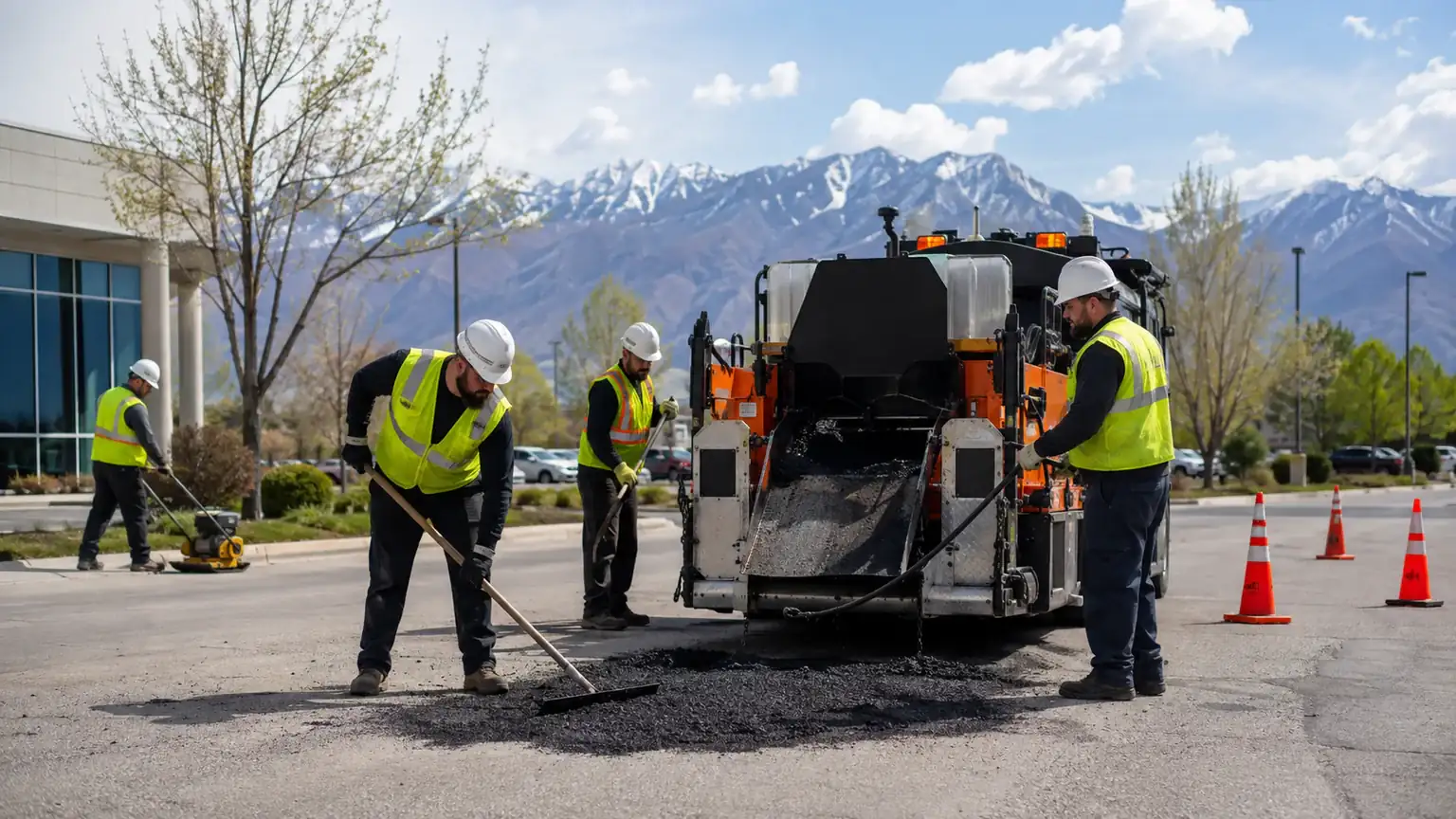
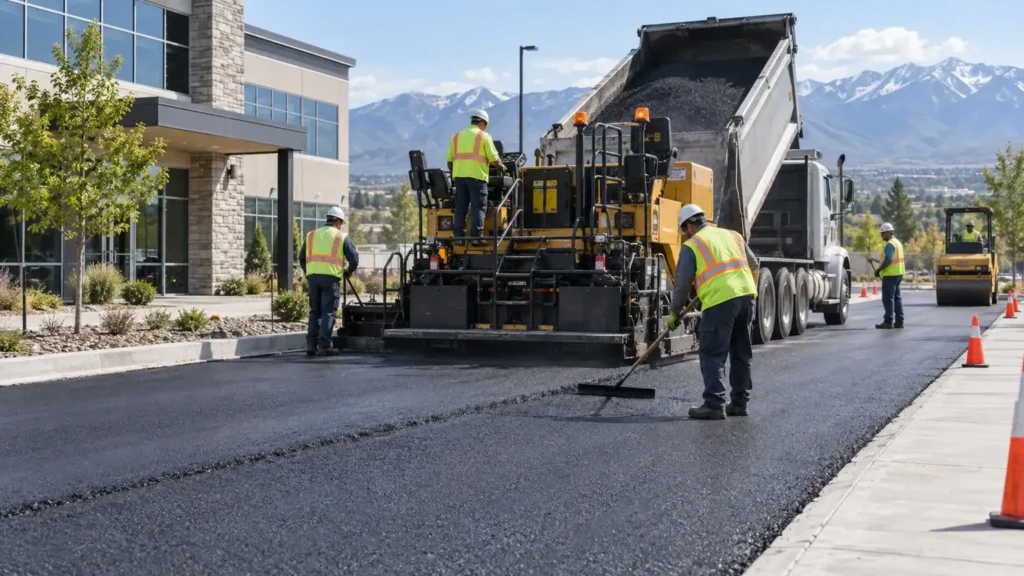
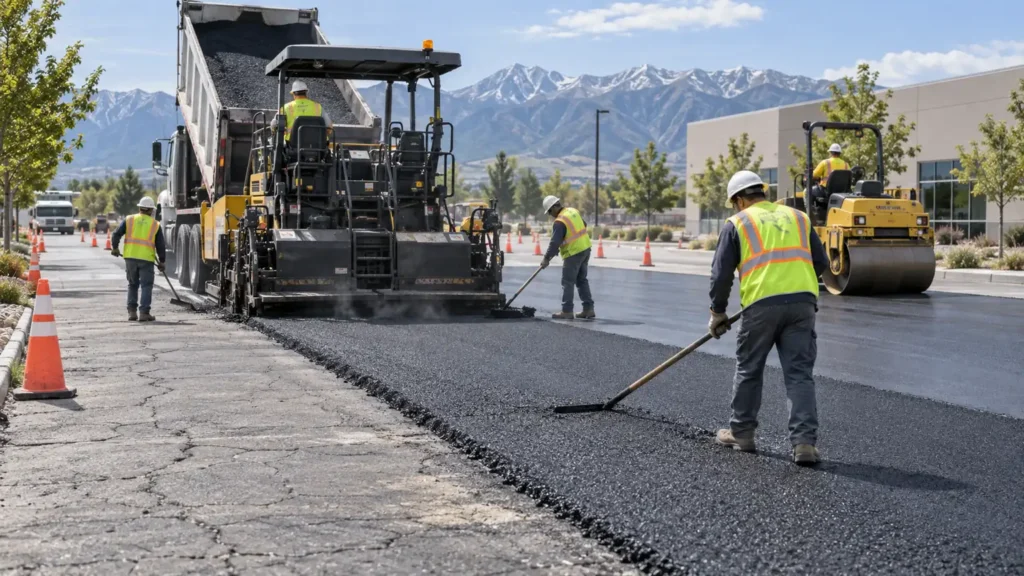
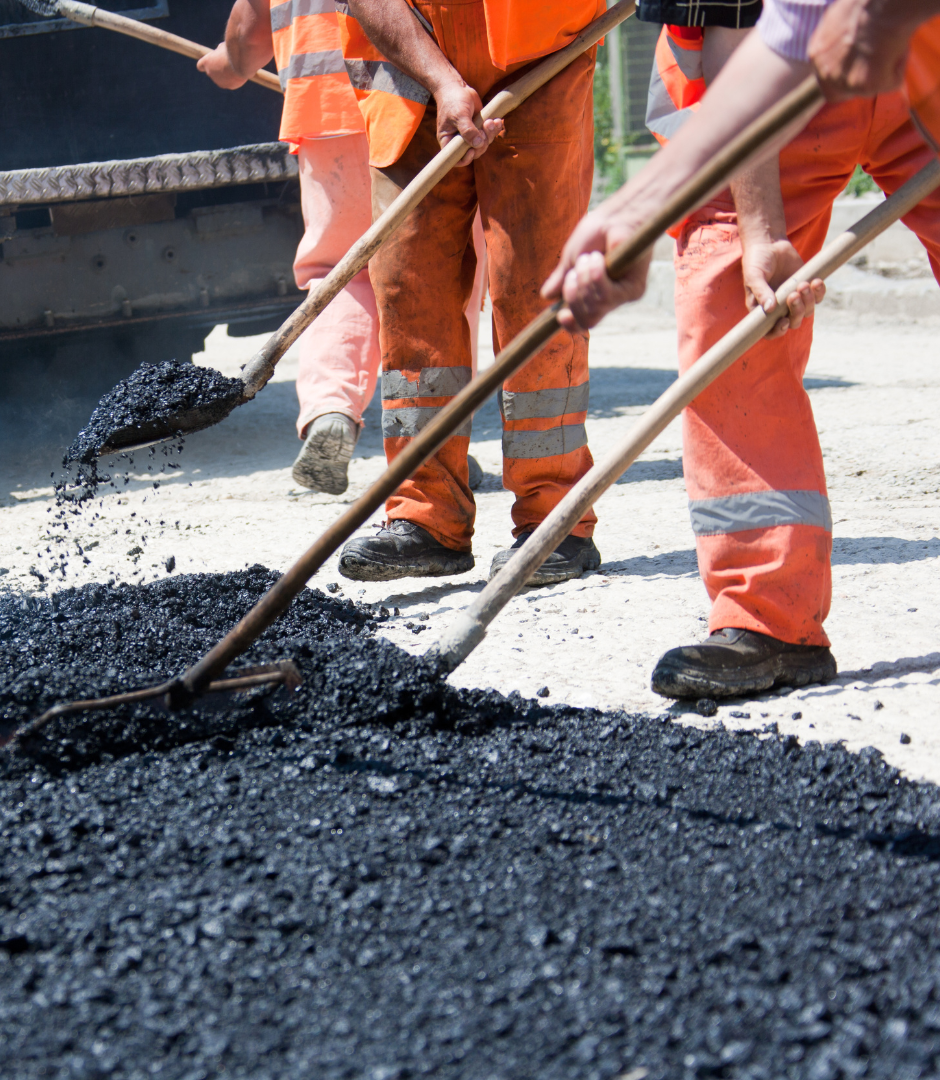
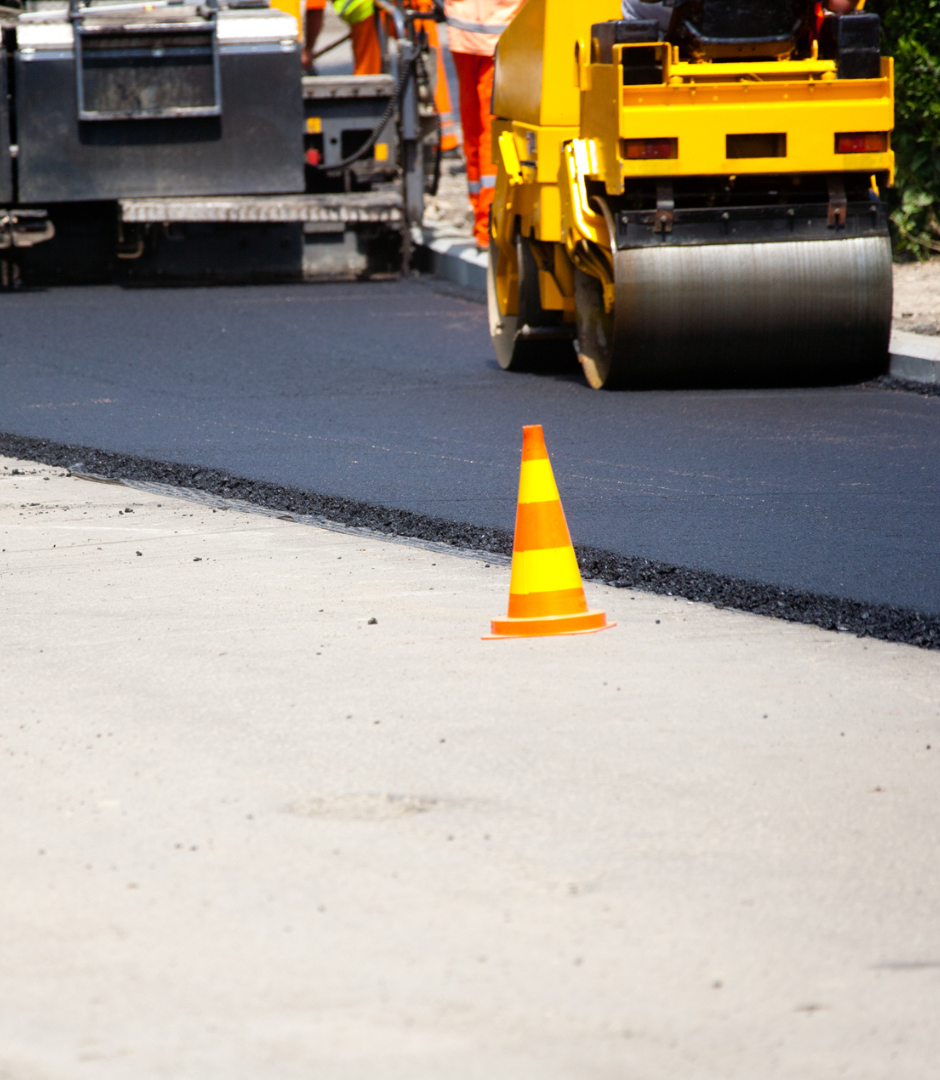
Original AI-assisted illustration of representative pothole repair work in Draper, Utah; not a photograph of an 801 Asphalt project.
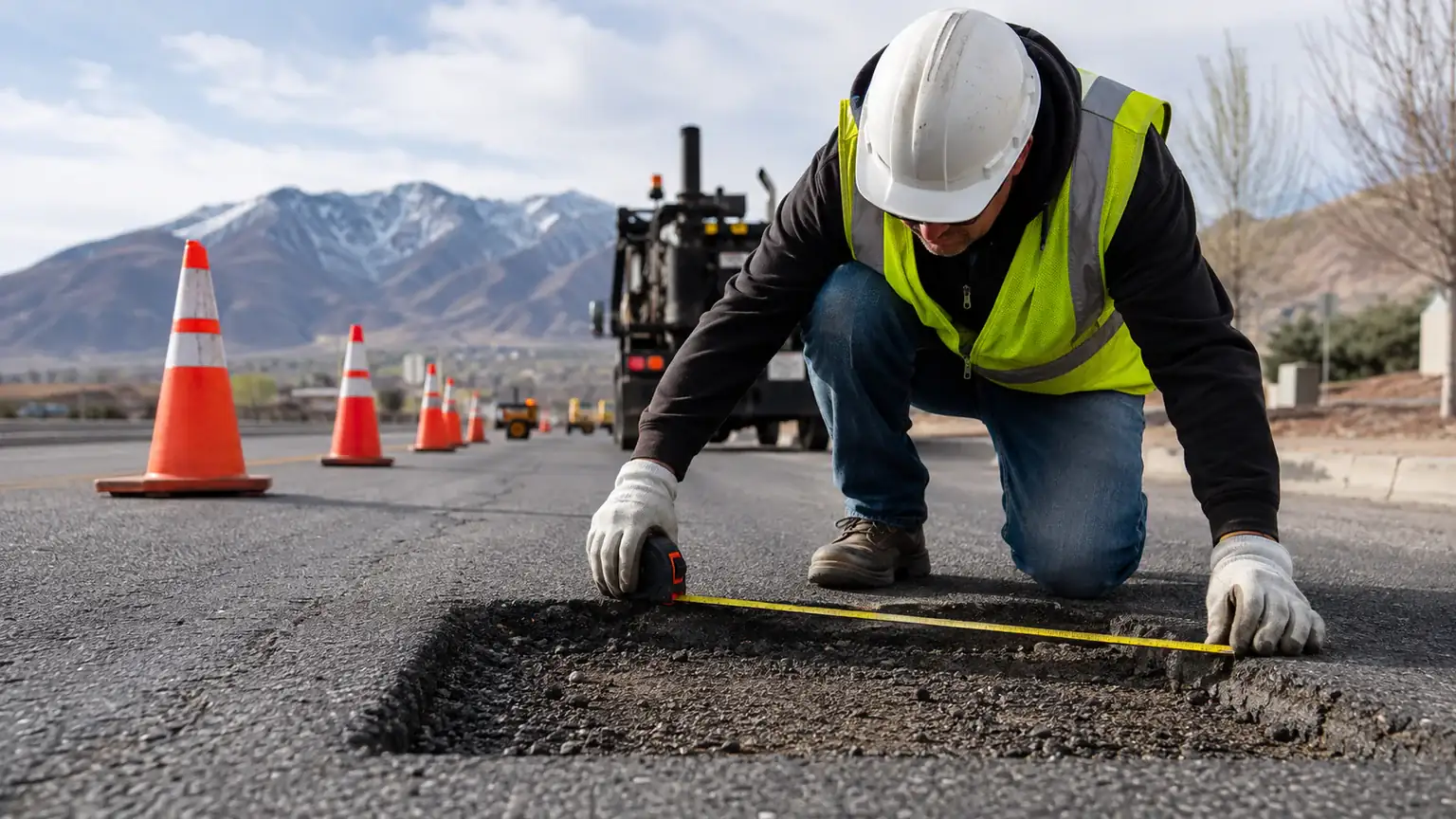
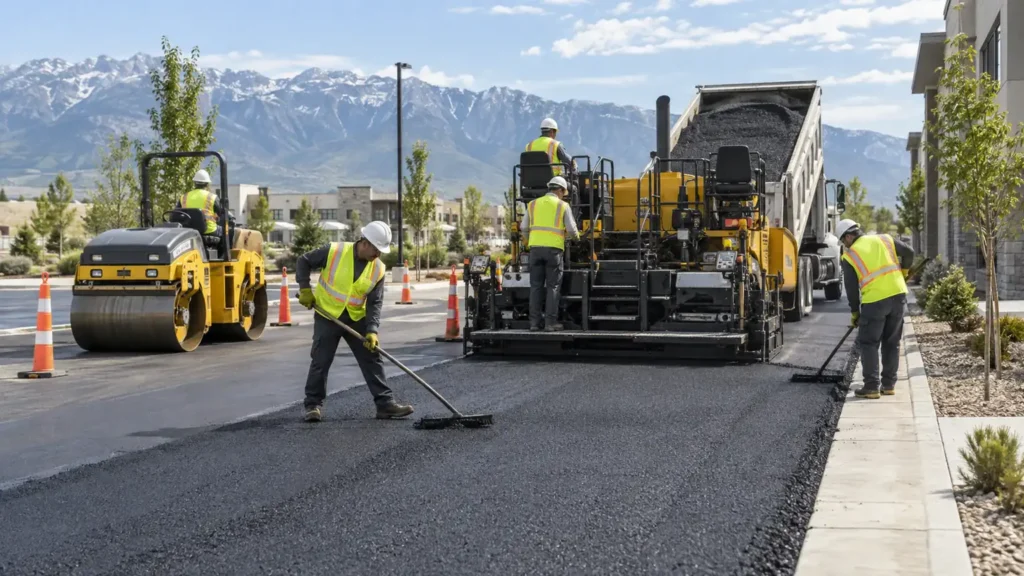
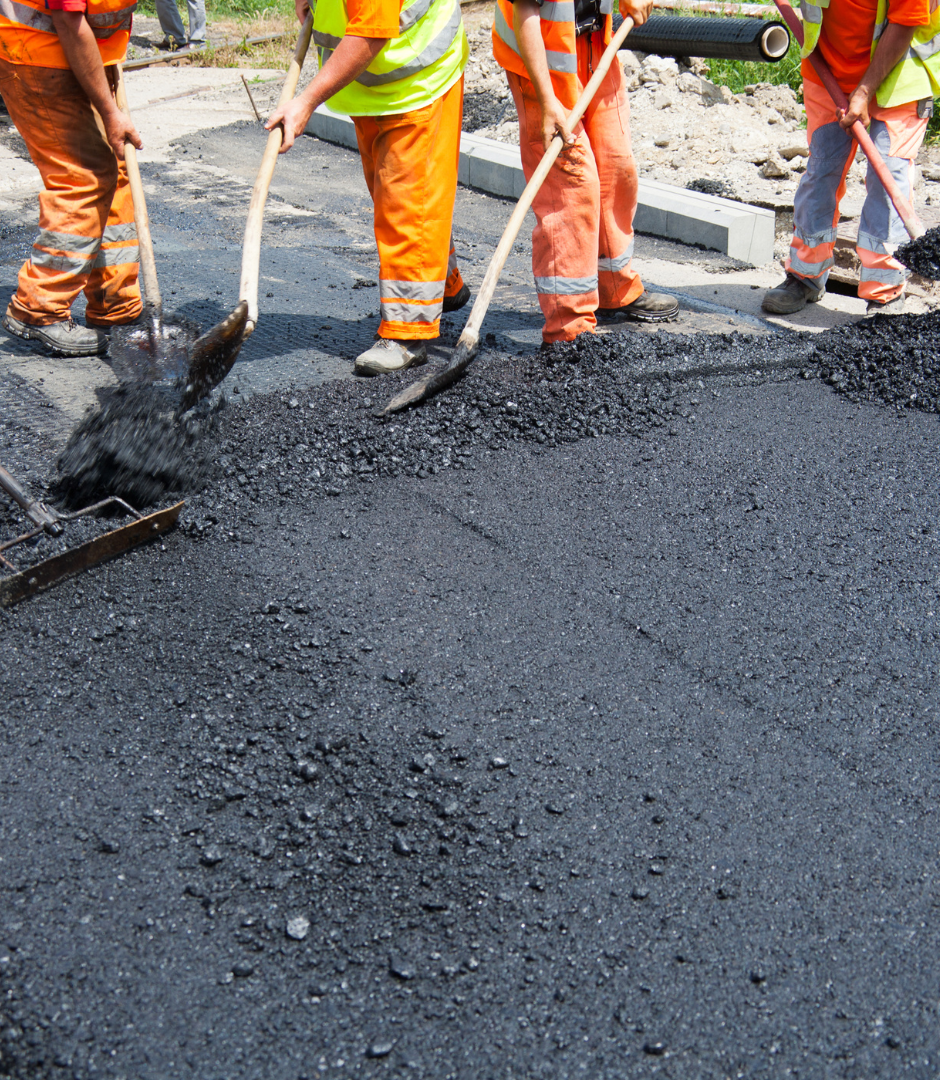
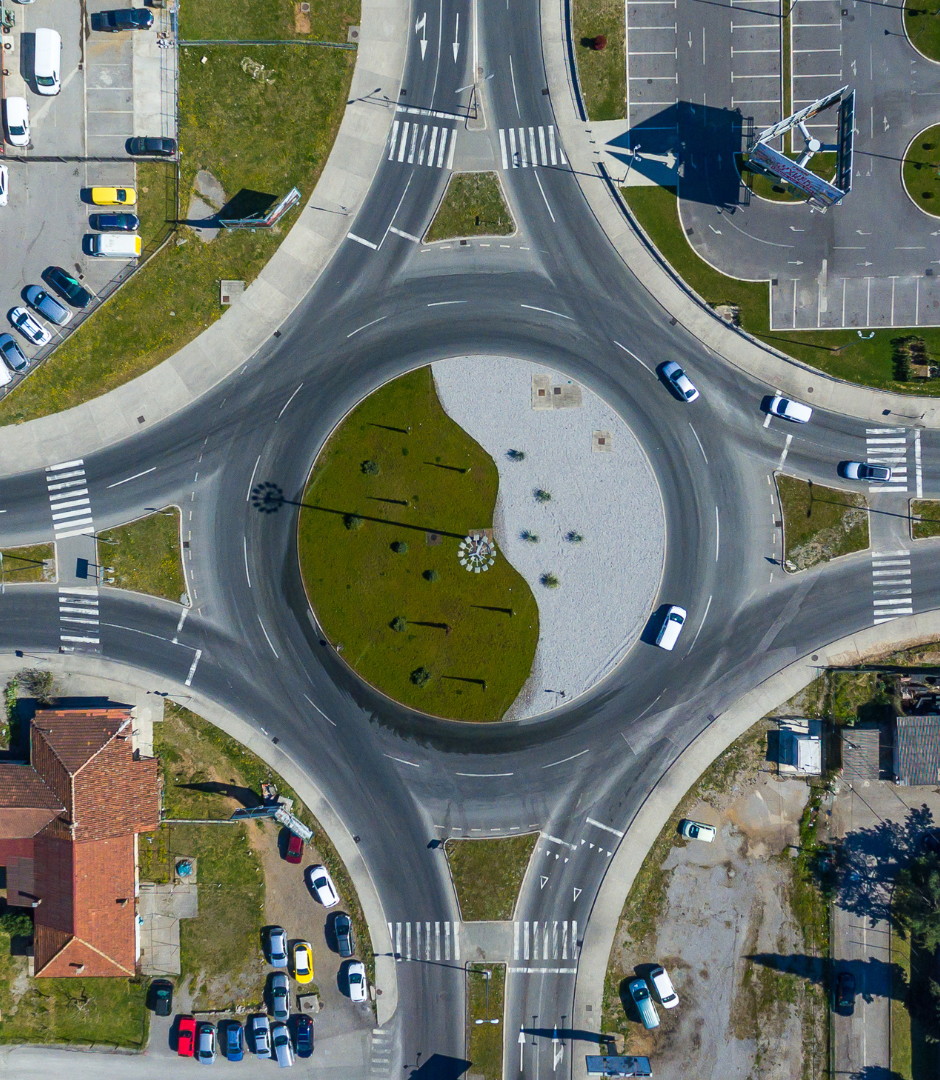
Original AI-assisted illustration of a representative pothole repair quality-control step in Draper, Utah; not a photograph of an 801 Asphalt project.
2026 pothole repair budgeting in Draper
The following current Utah planning examples were checked September 4, 2026. They are starting points for budgeting-not quotes, a promise that every project falls inside the range, or evidence that one contractor is the cheapest.
| Scope | Published planning range | Unit | Major cost drivers | Source |
|---|---|---|---|---|
| Small surface pothole | $100–$400 | repair | Size, access, preparation, traffic control, material and existing condition | Current Utah planning source |
| Localized hot-mix patch | $2–$6 | repaired square foot | Size, access, preparation, traffic control, material and existing condition | Current Utah planning source |
| Full-depth repair | $6–$12 | repaired square foot | Size, access, preparation, traffic control, material and existing condition | Current Utah planning source |
| Base correction | site-specific | measured allowance | Size, access, preparation, traffic control, material and existing condition | Current Utah planning source |
Small projects can carry a higher unit cost because crew, equipment, trucking, traffic control, and setup are spread across fewer units. Large or repeatable phases may gain efficiency, while tight access, night work, deep repair, drainage correction, specialty materials, public interfaces, testing, and several mobilizations can raise the total.
Ask for measured quantities and alternates. A useful proposal can show a base scope, priority repairs, optional phases, unit prices for uncertain conditions, and work that should be deferred. That structure makes an 801 Asphalt quote easier to compare with another Utah proposal without claiming a guaranteed lowest price.
Three Draper questions
Why does the same pothole return?
Water, weak or contaminated base, a settled utility trench, inadequate boundaries, poor compaction, heavy loading, or an unsealed joint may remain. Repeating only the visible fill repeats the symptom.
Is cold patch permanent?
It is generally temporary stabilization used when hot-mix work is impractical. The written scope should label it, state preparation and compaction, and identify when a durable repair will be evaluated.
How large should the repair be?
Large enough to remove fractured and unsupported material and create stable compactable boundaries. The exact limits come from field evidence, not the visible hole alone, and hidden-condition pricing should be agreed before excavation expands.
Scope-matched quote checklist
Use this checklist when comparing pothole repair proposals for Asphalt in Utah:
- Are the work limits and quantities mapped rather than described only as “all needed areas”?
- Does the proposal identify suitable and unsuitable conditions for the treatment?
- Are preparation, materials, application or placement rates, thicknesses, and quality checks stated?
- Are drainage, utilities, irrigation, structures, edges, and existing failures addressed?
- Are pedestrian, accessible-route, delivery, resident, customer, and emergency needs planned?
- Are weather limits, cure or cooling requirements, barriers, and reopening authority clear?
- Are mobilization, traffic control, testing, disposal, taxes, and specialty work included or excluded?
- Are unit prices and change-order triggers provided for uncertain conditions?
- Will the contractor document materials, quantities, weather, photographs, and completed areas?
- Do competing bids use the same map, assumptions, and acceptance criteria?
Turn the site walk into a comparable plan
Walk the property with a numbered map and photograph drainage, structures, utilities, traffic paths, edges, and each proposed work area. Ask every bidder to identify suitable and unsuitable treatment areas and to state measurable preparation, materials, quality controls, cure or reopening rules, and exclusions. Written equivalence is what makes a price comparison fair.
Learn about 801 Asphalt's pothole repair service, browse the Draper asphalt article hub, and read the Draper asphalt paving guide and Draper asphalt repair guide.
Request a free project assessment or call (801) 277-4258. Ask for a scope-matched written quote that separates quantities, preparation, materials, traffic control, quality checks, and exclusions.
Editorial disclosure
Author: 801 Asphalt Editorial Team
Technical review: Automated source, pricing, link, image, claims, and duplication validation completed 2026-09-04. Licensing, insurance, experience, concrete capability, slogan, competitive-pricing, and workmanship-warranty statements are owner-confirmed first-party business claims; no unverified local project-history or city-experience claim was included.
Published and updated: 2026-09-04
AI assistance: AI assisted with drafting and the two original illustrations. The images are representative scenes, not photographs of 801 Asphalt projects.
Sources and review notes
- https://www.draperutah.gov/business-development/engineering/design-standards-and-details/
- https://www.draperutah.gov/living-in-draper-city/utilities/water-and-storm-water/storm-water/storm-water-quality-and-pollution-prevention/
- https://801-asphalt.com/guides/utah-asphalt-repair-cost/
- https://www.udot.utah.gov/connect/business/design/standards/
Sources and prices checked September 4, 2026. Planning figures are budgeting references, not government schedules, an 801 Asphalt price list, or guaranteed quotes. Applicable public or permitted work should be checked against current Draper requirements and approved plans.