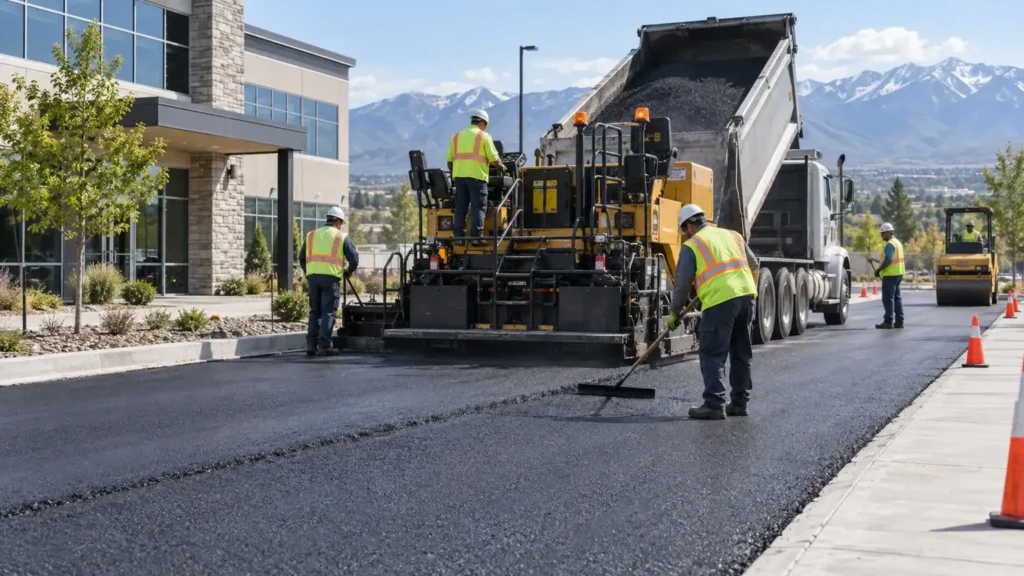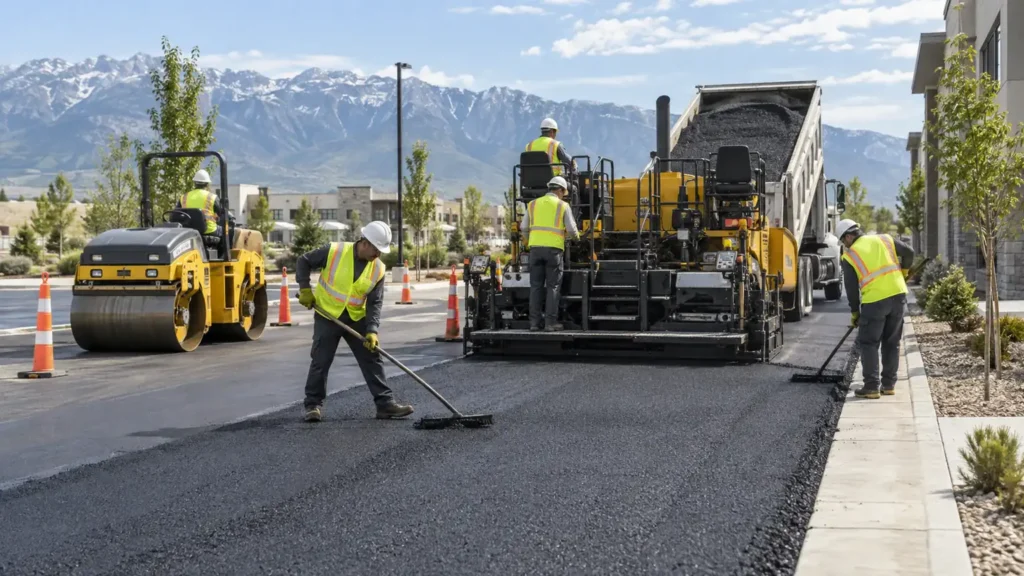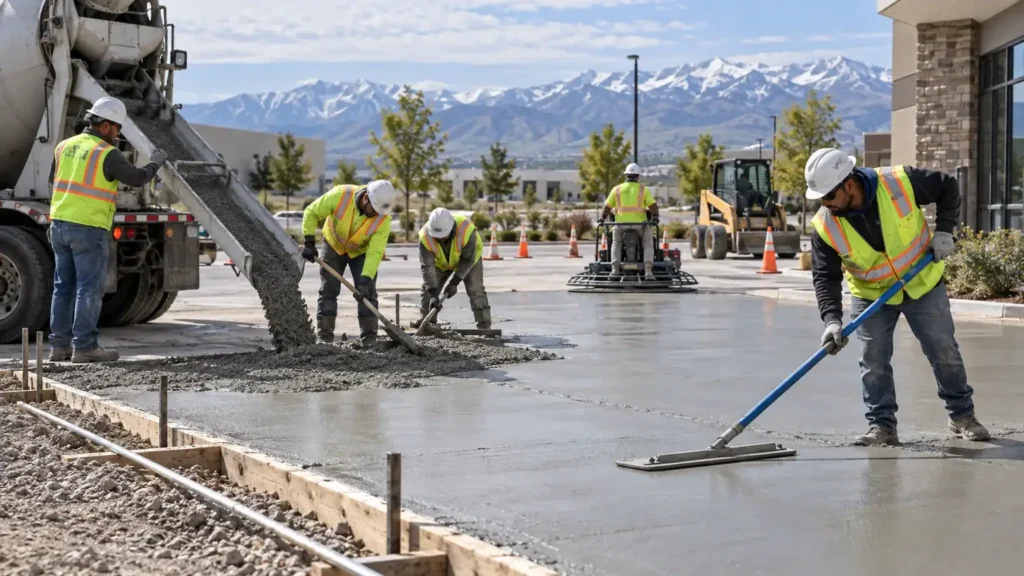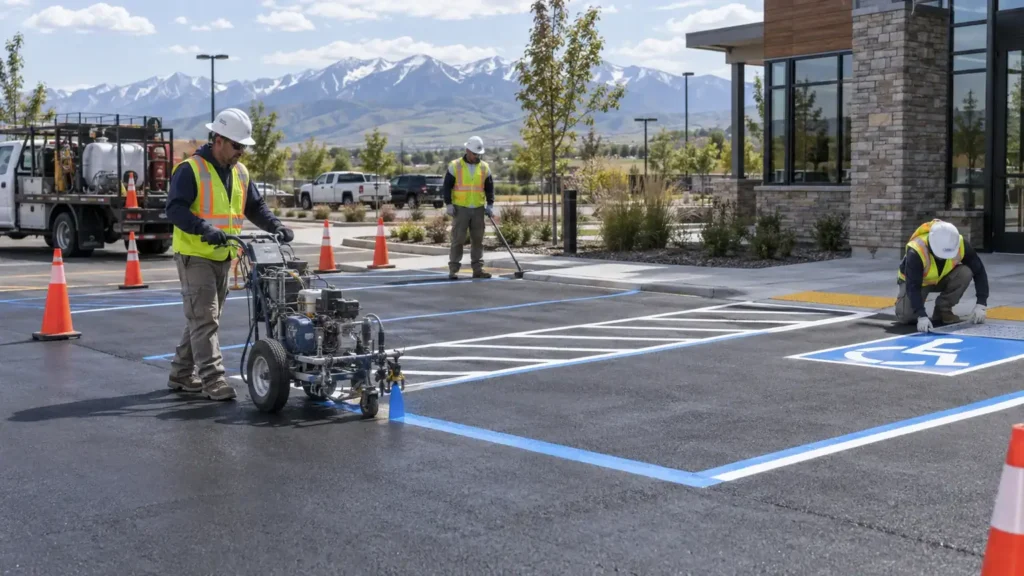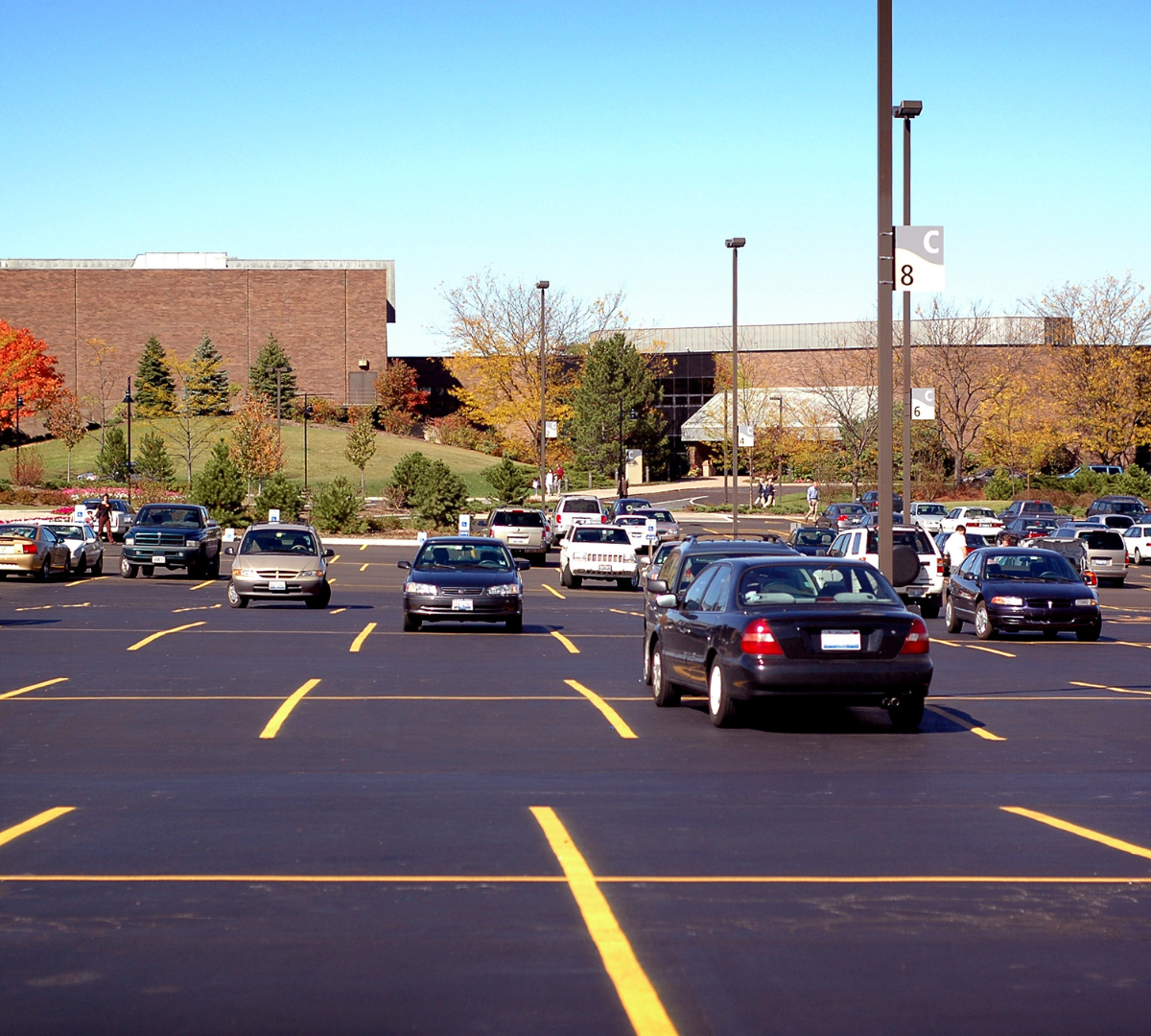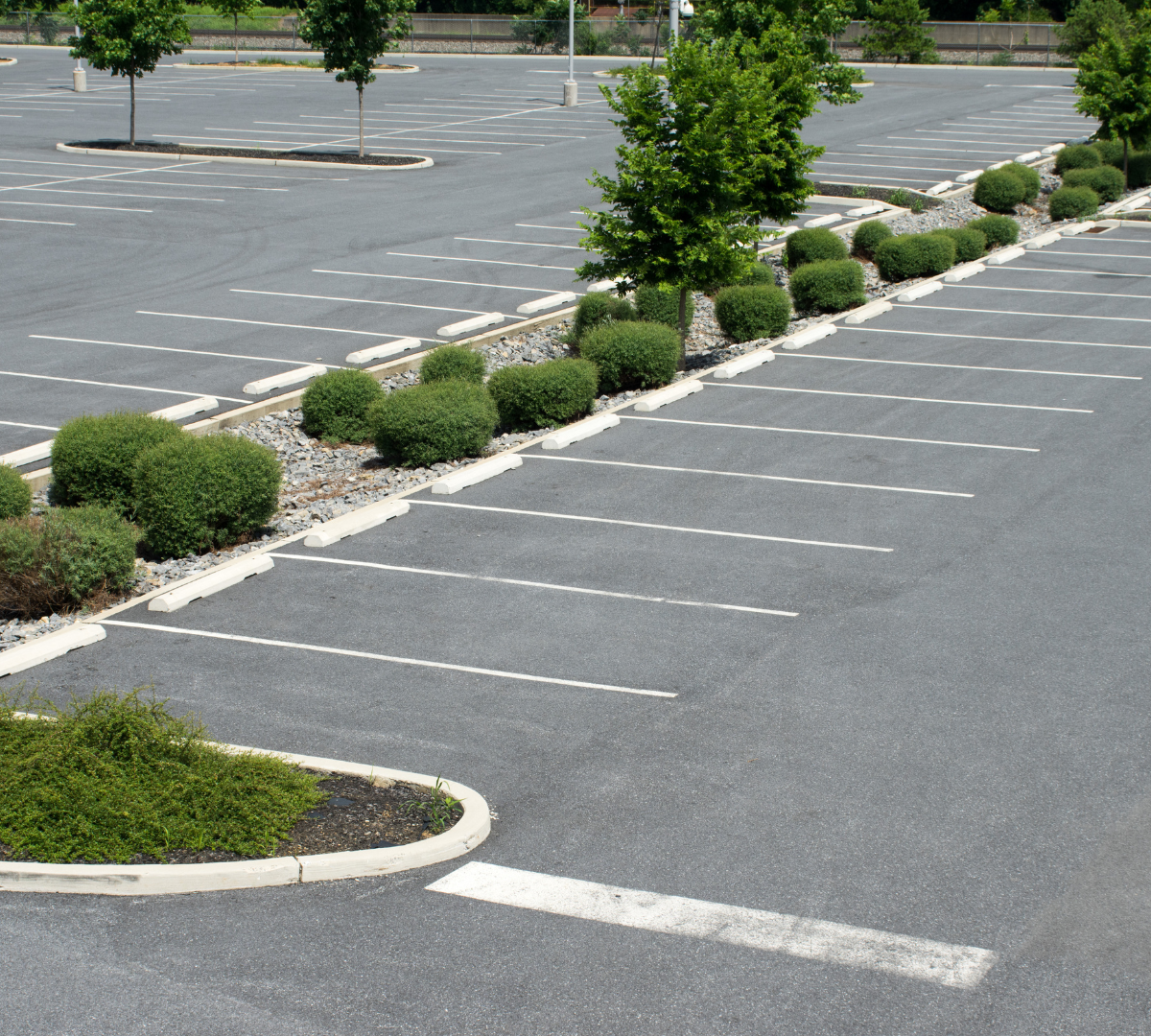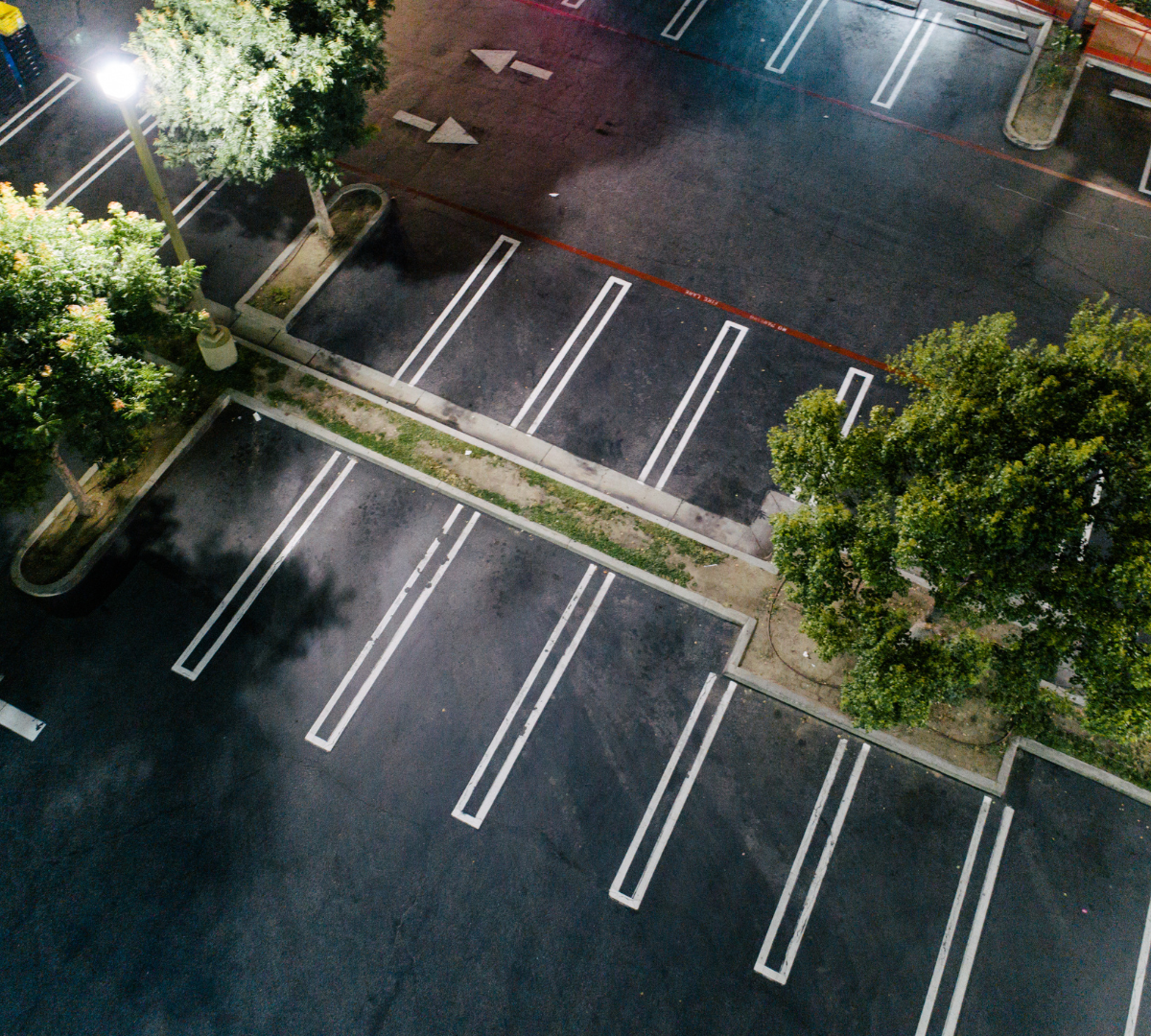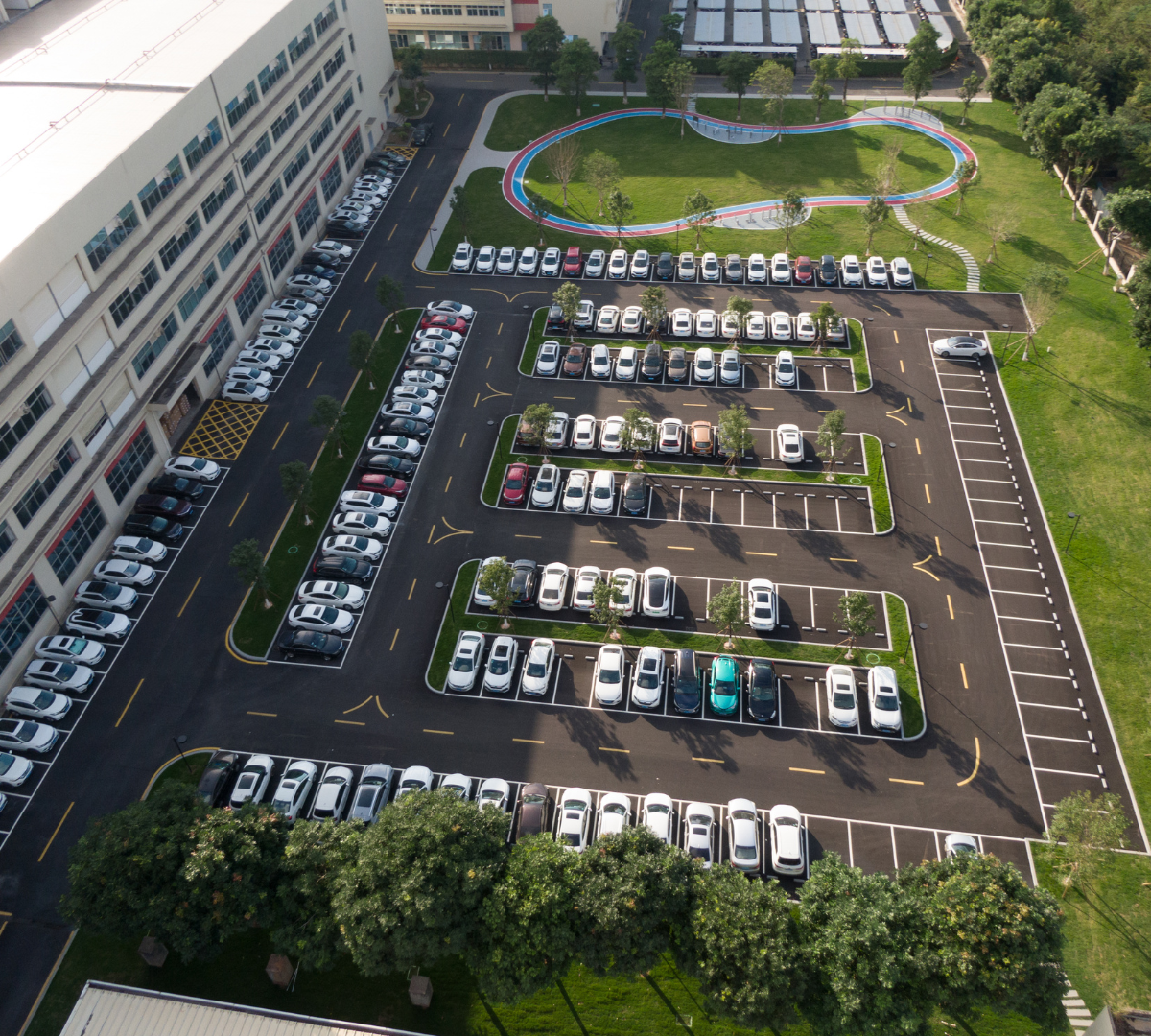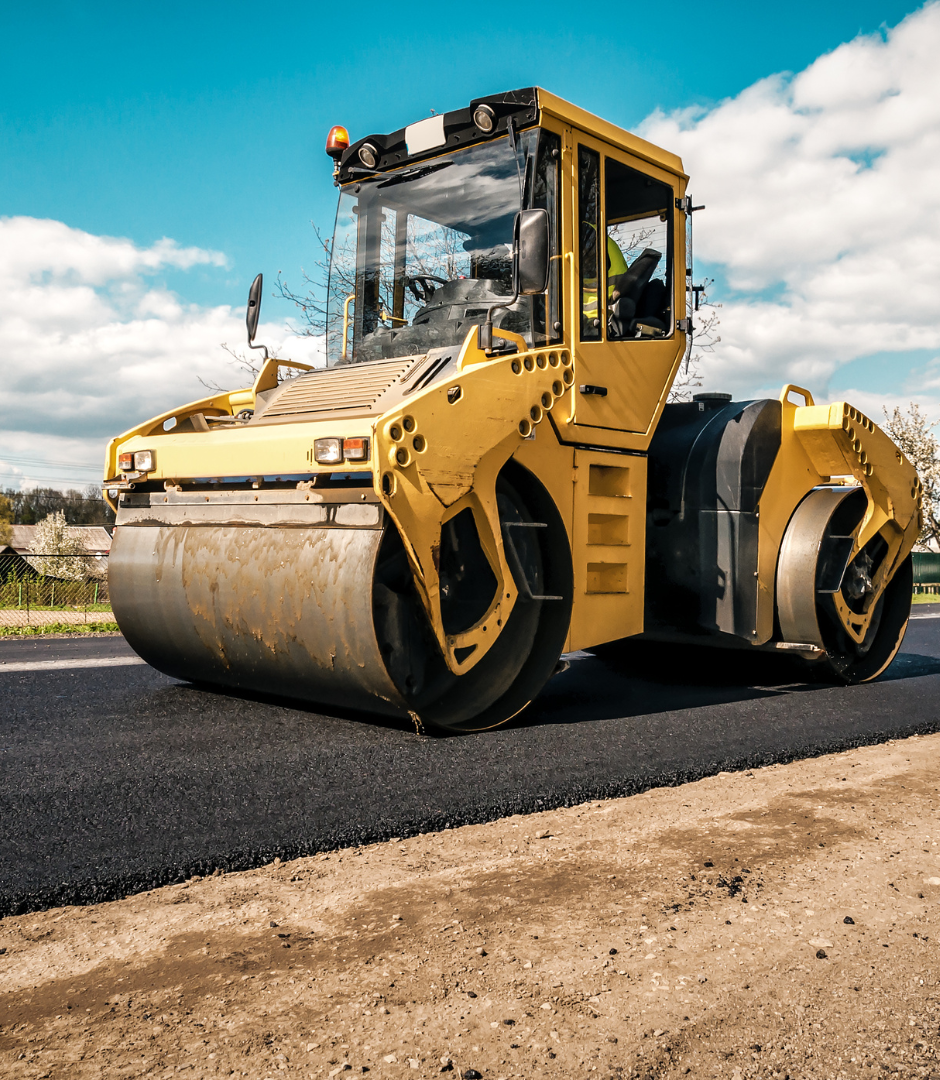
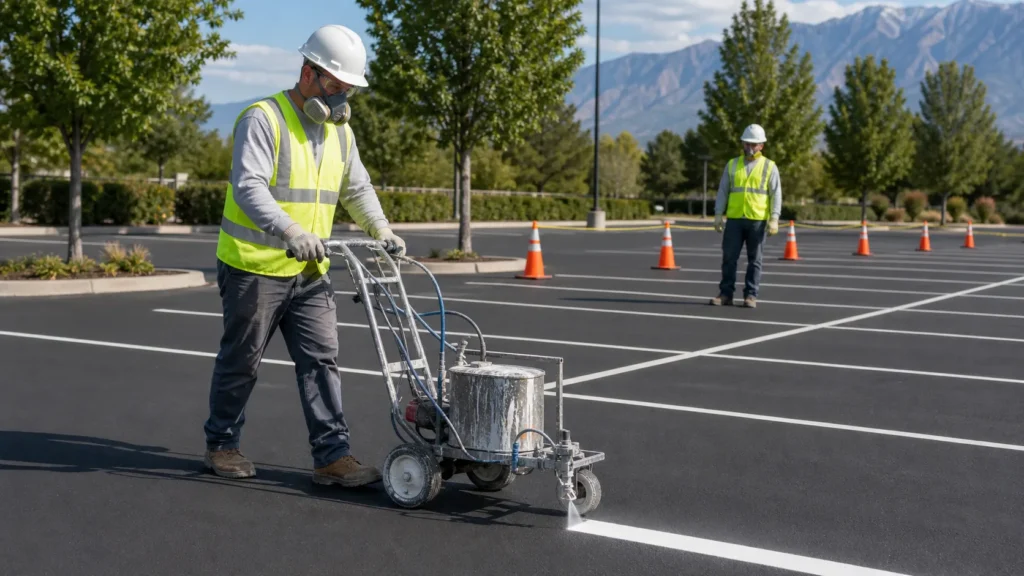
Professional parking lot striping in Orem, Utah begins with a measured, authorized layout. Paint makes stalls visible, but the plan determines how vehicles, pedestrians, accessible routes, deliveries, landscape islands, and entrances work together. On a technology campus, retail center, apartment property, or school, repainting an obsolete pattern can create bright new confusion.
Current Utah contractor-published budgeting examples list many small restriping projects around $300–$900, medium commercial lots around $900–$2,500, and large projects around $2,500–$6,000 or more. Another Utah contractor lists standard painted stalls near $15–$25 each under its published conditions. These are planning references—not independent averages, government rates, or an 801 Asphalt price list. Layout, surface cleaning, old-line removal, stencils, materials, traffic control, phasing, and mobilization can change the quote.
801 Asphalt provides a detailed, scope-matched quote and aims to stay competitive for comparable Utah work. Compare proposals using the same plan revision, quantities, material system, preparation, closure schedule, and exclusions.
Quick navigation
- Best properties and unsuitable cases
- Current Orem layout context
- Restriping versus redesign
- Accessible parking basics
- High-quality procedure
- 2026 Utah price ranges
- Three niche questions
- Proposal checklist
Who benefits from professional striping in Orem?
Measured line striping and commercial parking lot maintenance are often a good fit for:
- Established office and professional properties managing employees, visitors, deliveries, pedestrian routes, mature islands, and multiple tenant entrances.
- Retail centers, restaurants, and medical properties where stall turnover, accessible parking, curbside activity, loading, and drive aisles need clear separation.
- Apartments, townhomes, and HOAs coordinating resident, guest, fire-access, mail, amenity, and service areas.
- Schools, churches, and recreation facilities with peak periods, buses, drop-off circulation, and large lots that can be closed during low use.
- Warehouses and light-industrial sites separating passenger parking from truck approaches, docks, gates, and equipment zones.
- Property managers restriping after repair, sealcoat, milling, or an overlay, when the approved layout remains valid or has been formally updated.
Striping is not ready when asphalt is wet, dusty, oily, uncured, raveling, or structurally failed. Paint cannot repair a pothole, flatten a steep accessible space, relocate a curb ramp, restore missing signage, or solve ponding. Structural repair, concrete, drainage, design, or approval work may need to occur first.
Orem approved plans, old layouts, and property use
Orem's Planning Division directs owners to current planning resources and the city's adopted-code information. That makes the approved site plan and current city direction the starting points when a project changes stall count, circulation, landscaping, a building entrance, fire access, loading, or land use. A maintenance crew can reproduce a verified layout; it should not silently redesign regulated site features with paint.
Many established Orem lots contain several generations of markings. Old stripes may point toward a former entrance, an island that changed, a relocated curb ramp, or a tenant use that no longer exists. Before measuring from a faded line, compare it with reliable control points and the current approved plan. The correct reference may be a curb face, building line, island nose, survey control, or documented baseline—not the most visible remnant.
Pedestrian circulation is part of the parking system. Retail, medical, school, church, and multifamily sites can have routes crossing drive aisles between parked vehicles. A layout review should trace the actual path from accessible parking and general parking to the intended entrance, while checking curb ramps, islands, wheel stops, doors, loading, and sight distance. Maximizing stripe count is not a substitute for a usable circulation plan.
Parking demand and geometry can change when a tenant or building use changes. Repainting an old count may therefore preserve the wrong operating pattern. The owner should identify who can authorize layout changes and whether planning, fire, building, accessibility, or design review applies. This article is a planning guide, not a site-plan approval, fire review, accessibility certification, or legal opinion.
Restore a layout or create a new one
Parking lot restriping follows a verified pattern. Existing control points can be located, circulation still fits, stall count and accessible features remain correct, and repairs or coating have not changed geometry. The crew cleans the pavement, checks critical dimensions, handles misleading remnants, and restores the markings.
A changed parking stall layout is design work before paint. It may follow a building expansion, new tenant use, moved island, relocated entrance, altered fire access, revised accessible route, resurfacing, or repeated circulation conflict. The owner should provide the current approved plan and identify who can authorize field adjustments.
Old lines require a specific treatment. Blackout paint can remain visible and weather differently. Grinding can scar asphalt. Sealcoating may create a more uniform field on suitable pavement but adds preparation and cure time. When a new pattern crosses an old one, ghost lines can confuse drivers at night or in rain. The proposal should describe the expected visual result.
Accessible parking requires a complete system
The U.S. Department of Justice explains that accessible parking includes location, count, dimensions, access aisles, signs, routes, slope, surface, and vertical clearance. Spaces should be located on the shortest accessible route to an accessible entrance. Access aisles are marked to discourage parking, run the full length of the space, and remain level with the adjoining space.
Under the federal 2010 ADA Standards, a car-accessible space is at least 96 inches wide with an aisle at least 60 inches wide. A van space may be at least 132 inches wide with a 60-inch aisle, or at least 96 inches wide with a 96-inch aisle. Space and aisle slopes may not exceed 1:48 in any direction. Van areas and their vehicular routes have clearance requirements. At least one of every six accessible spaces, or fraction of six, must be van accessible.
An ADA parking layout therefore cannot be verified by a blue symbol alone. Slope, route, curb ramp, sign, obstruction, entrance, wheel stop, and clearance matter. When local text, an approved plan, and federal standards need interpretation, the owner and qualified designer should coordinate with the applicable authority before the crew applies accessible parking markings.
A high-quality Orem striping procedure
1. Confirm plan, quantities, and authority
Collect the current site plan, previous striping layout, accessible-parking details, and fire direction. Count stalls and measure lineal footage, arrows, stop bars, crosswalks, hatch areas, curbs, loading zones, stencils, and removals. State whether work is exact restriping or a changed layout.
2. Inspect pavement and old markings
Map cracks, potholes, raveling, settlement, ponding, oil, loose sealcoat, and incompatible paint. Confirm that repair and sealcoat areas have cured for the selected material. Identify ghost lines and determine whether removal, masking, or a coating system is appropriate.
3. Build an occupied-property closure plan
Coordinate Orem tenants, customers, residents, deliveries, waste service, emergency access, and accessible routes. Divide large office or retail lots into understandable phases. Provide notices, cones, barricades, and spotters appropriate to the operation.
4. Clean immediately before painting
Remove dust, sand, vegetation, loose aggregate, deicing residue, and failed paint. Treat oil that can prevent bonding. Protect storm inlets and neighboring property. Active Orem construction and landscaping can return fine dust to a cleaned surface, so conduct a final pre-application check.
5. Establish control points and verify geometry
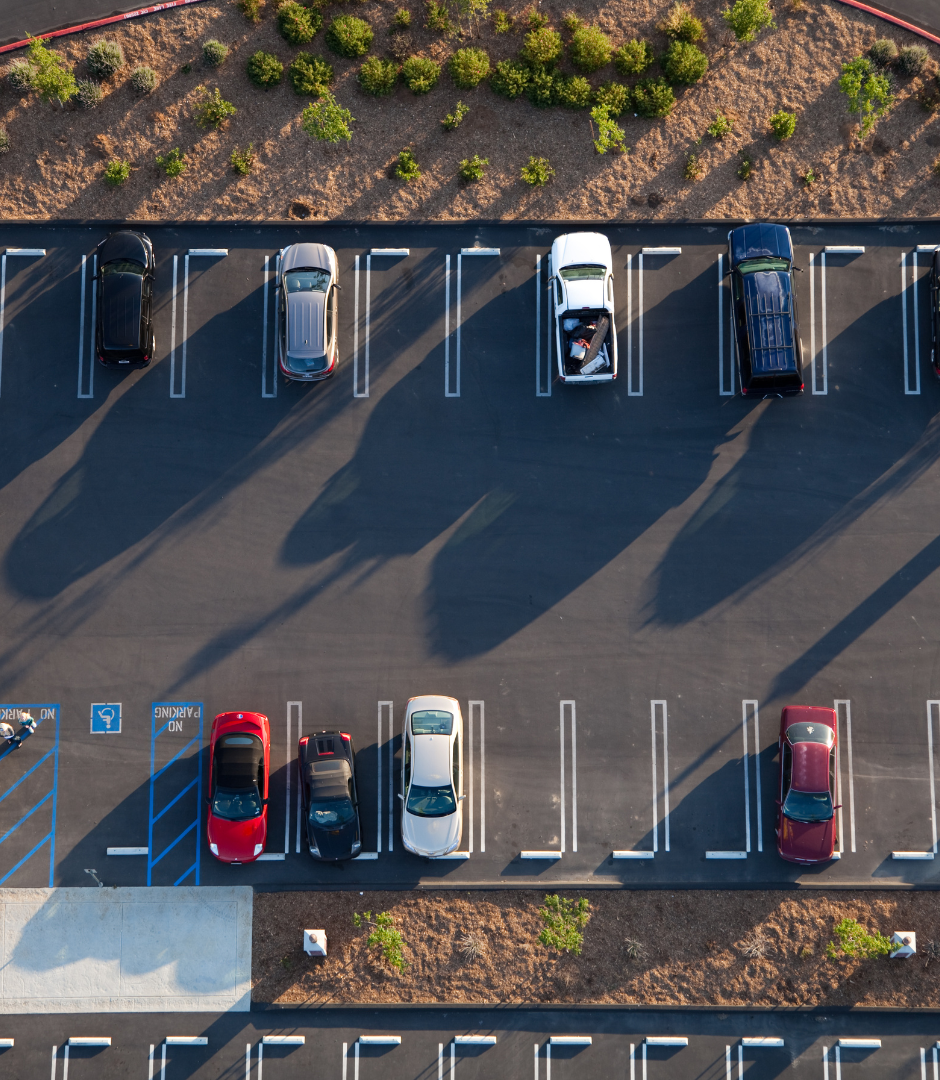
Set baselines, row offsets, endpoints, and island references from the approved plan. Check the first several stalls before multiplying an error across a row. Verify widths, depths, angles, aisles, pedestrian paths, accessible features, entrances, delivery access, and curb relationships.
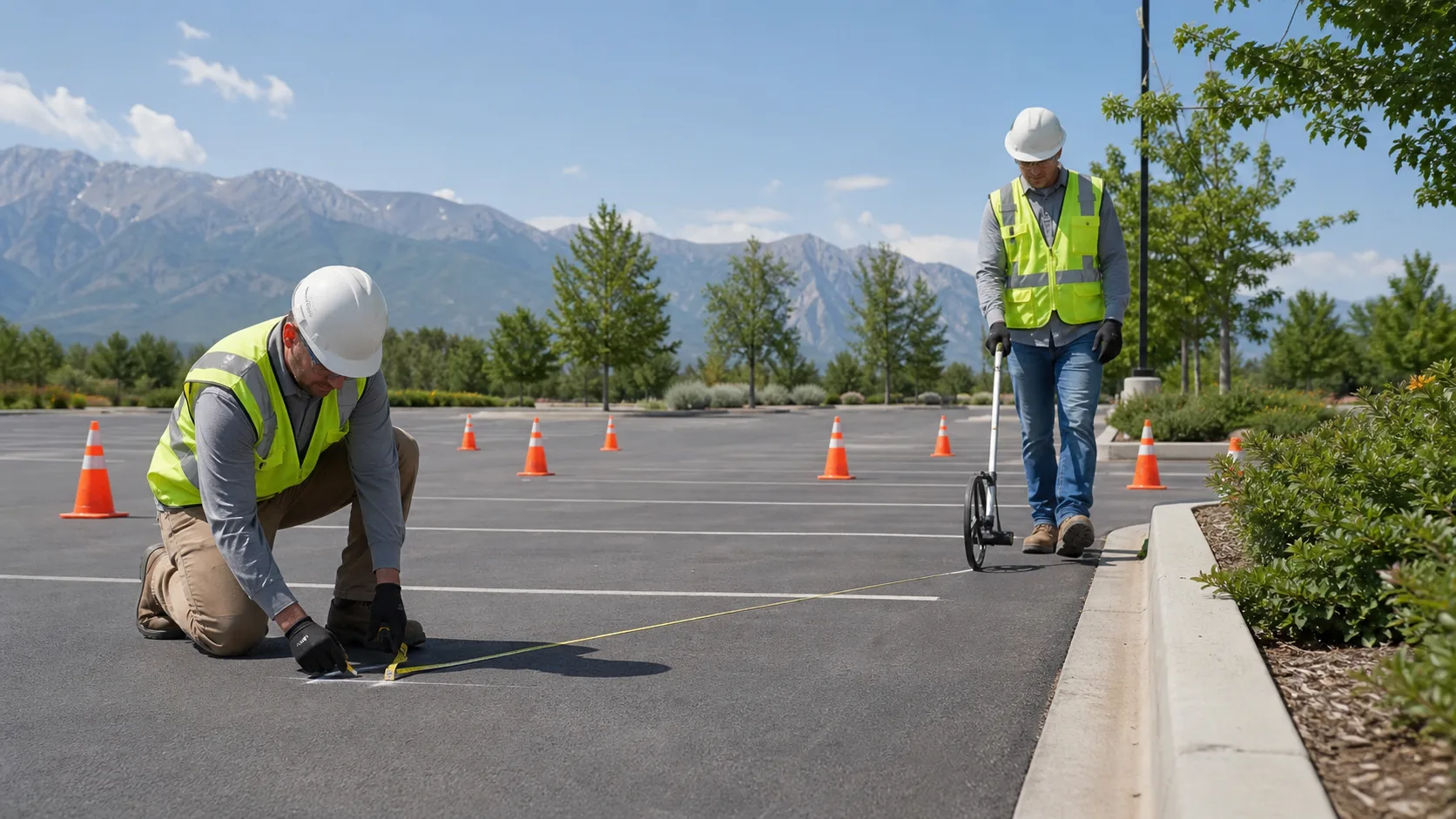
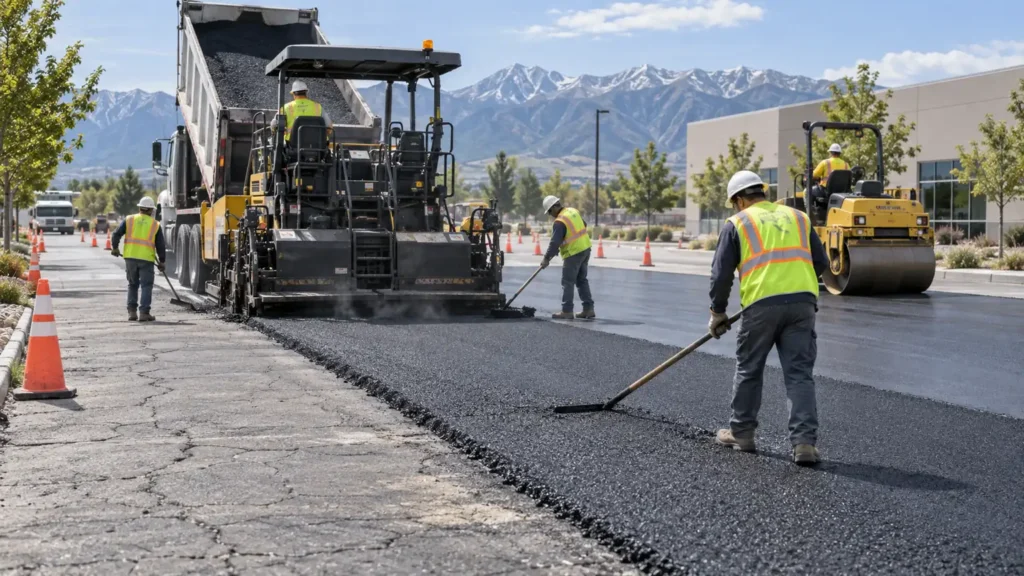
Original AI-assisted illustration of representative parking-layout verification. It is not a photograph of an 801 Asphalt project.
6. Select material and application conditions
Waterborne traffic paint is common for routine pavement markings. Other systems, including thermoplastic striping, may fit specified wear or cure needs. Existing coating, traffic, temperature, moisture, manufacturer requirements, and owner standards control material selection. High-cost material does not compensate for dirty pavement or bad layout.
7. Apply consistent markings
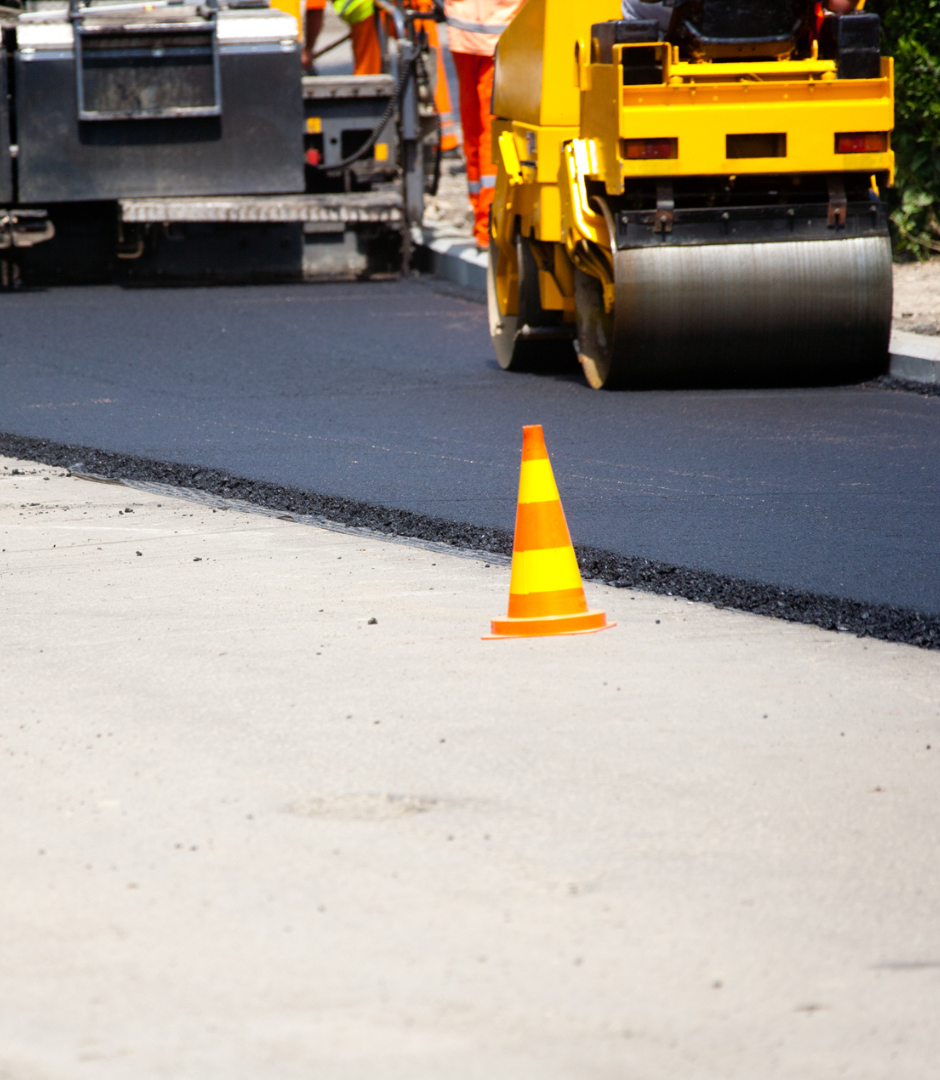
Set the machine for specified line width and application rate. Maintain steady speed, alignment, gun height, clean starts, and neat endpoints. Use approved templates for symbols and directional markings. Protect curbs, buildings, landscaping, vehicles, and drains from overspray.
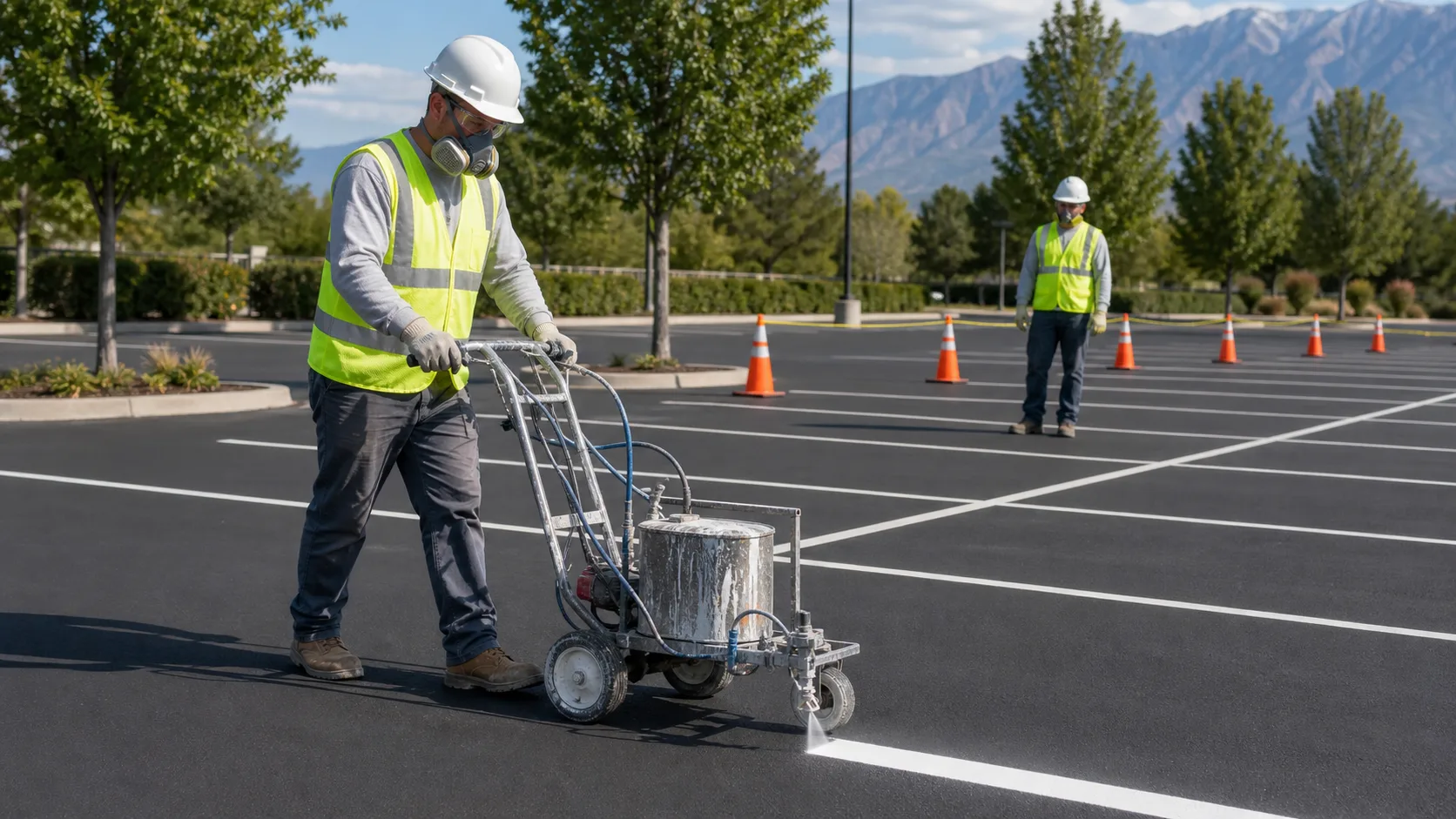
Original AI-assisted illustration of a representative controlled line-striping operation. It is not a photograph of an 801 Asphalt project.
8. Inspect, cure, and document
Check width, straightness, spacing, coverage, endpoints, stencil orientation, overspray, ghost-line confusion, and the full relationship among stalls, aisles, signs, routes, and curbs. Keep traffic off until the material cures under actual conditions. Closeout should identify quantities, material, colors, plan revision, weather, excluded repairs, and reopening guidance.
2026 parking lot striping costs in Orem
The following Utah contractor-published examples were checked August 25, 2026. They are budgeting references, not government rates, independent averages, guaranteed prices, or quotes from 801 Asphalt.
| Striping scope | Published Utah planning range | Unit | Typical cost drivers | Source |
|---|---|---|---|---|
| Small lot restriping | About $300–$900 | project | Mobilization, stalls, cleaning, access | 801 Asphalt parking lot striping cost guide |
| Medium commercial lot | About $900–$2,500 | project | Quantity, layout, stencils, phasing | 801 Asphalt parking lot striping cost guide |
| Large parking lot | About $2,500–$6,000+ | project | Scale, phases, materials, scheduling | 801 Asphalt parking lot striping cost guide |
| Standard painted stall | About $15–$25 | stall | Clean surface and contractor conditions | 801 Asphalt parking lot striping cost guide |
| Standard thermoplastic stall | About $35–$55 | stall | Material, surface, quantity, mobilization | 801 Asphalt parking lot striping cost guide |
| Four-inch traffic-paint line | About $0.30–$0.45 | linear foot | Quantity, preparation, daytime access | 801 Asphalt parking lot striping cost guide |
| Accessible-space marking | About $25–$75 | marking | Paint and stencil; not full compliance work | 801 Asphalt parking lot striping cost guide |
| Directional arrow | About $25–$100 | each | Size, template, material, layout | 801 Asphalt parking lot striping cost guide |
Small touch-ups can cost more per stall because mobilization and setup still occur. New layout, old-line removal, custom stencils, multiple colors, curbs, night work, traffic control, repairs, and phased return visits can raise cost. An accessible-marking unit price typically covers paint, not the complete compliance system.
Three Orem striping questions
When should an existing lot be restriped rather than redesigned?
Restripe when the approved configuration remains suitable and its control points, circulation, stall count, pedestrian routes, and accessible features are valid. Seek a layout review when use, geometry, entrances, islands, fire access, accessible parking, or resurfacing changed. A crew should not reconstruct a faded plan from fragments when the owner cannot confirm it.
What details must be checked before marking accessible parking?
Verify count, van count, dimensions, slope, stable surface, route, entrance relationship, signs, vertical clearance, curb ramps, wheel-stop effects, and obstructions. Then apply the authorized markings. The paint symbol is one component—not proof of compliance.
How do material, traffic, weather, and surface condition affect service life?
Wear depends on paint or thermoplastic system, surface cleanliness, application, curing, traffic volume, snowplows, tire turning, deicing, and sunlight. Entrances, stop bars, drive aisles, and tight turns often wear sooner than quiet stalls. Maintenance should respond to visibility and condition rather than assume one fixed interval for the entire lot.
Quality checklist for an Orem striping proposal
When comparing work on Asphalt in Utah, confirm:
- Exact restriping or changed layout is clearly stated.
- The approved plan and revision are identified.
- Stalls, lineal footage, widths, colors, bars, curbs, and stencils are quantified.
- Accessible count, dimensions, slopes, signs, routes, and clearance have an assigned reviewer.
- Pedestrian corridors, landscape islands, compact stalls, and land use follow current direction.
- Old-line removal or ghost-line treatment is described.
- Surface repairs, cleaning, oil treatment, and coating cure are included.
- Paint or thermoplastic system and manufacturer limits are named.
- Closures, tenant notices, traffic control, deliveries, and alternate access are planned.
- Straightness, spacing, width, coverage, and endpoints are inspected.
- Cure and reopening guidance reflects material and weather.
- Minimums, mobilization, taxes, and exclusions are clear.
Measure the plan before pricing the paint
Walk the property with the current plan. Mark faded lines, changed uses, pedestrian paths, loading, accessible features, damaged asphalt, and conflicting remnants. Separate contractor application questions from design and approval questions. Then request quantity-matched proposals.
Learn about 801 Asphalt's Utah line striping service, browse the Orem article hub, and review related guidance for Orem sealcoating before striping and repairing Orem pavement first.
Request a free project assessment or call (801) 277-4258. Ask for measured quantities, layout responsibility, preparation, material, traffic control, cure, and exclusions so competing quotes cover equivalent work.
Editorial disclosure
Author: 801 Asphalt Editorial Team
Technical review: Automated source, pricing, link, and claims validation completed August 25, 2026; no unverified local project claim was included.
Published and updated: August 25, 2026
AI assistance: AI assisted with drafting and the two original illustrations. The images are representative scenes, not photographs of 801 Asphalt projects.
Sources and review notes
- City of Orem Planning Division
- City of Orem adopted codes and design information
- City of Orem Engineering Division
- U.S. Department of Justice 2010 ADA Standards
- ADA.gov accessible parking guide
- 801 Asphalt parking lot striping cost guide
- 801 Asphalt parking lot striping cost guide
- 801 Asphalt line striping service
Sources and prices checked August 25, 2026. Contractor-published figures are market examples, not government schedules, independent averages, an 801 Asphalt price list, or guaranteed quotes. This article is not a site-plan approval, accessibility certification, or legal opinion. No unverified project-history, ranking, licensing, warranty, lowest-price, or local-experience claim is included.