Quick answer: repair is usually appropriate when asphalt damage is localized and the pavement base remains stable. Resurfacing can work when deterioration is mainly at the surface but the structure is still sound. Full replacement becomes the stronger long-term option when cracking, settlement, drainage problems or repeated failures point to a damaged base.
That distinction matters in Utah. A parking lot or driveway can look like it only needs a few patches, while water intrusion and repeated freeze-thaw cycles may already be affecting the layers underneath. On the other hand, pavement that looks faded or has a handful of manageable cracks may still have years of useful service life when the right maintenance is performed early.
The goal is not to choose the biggest project. The goal is to choose the right level of work for the actual condition of the pavement. 801-ASPHALT provides professional asphalt repair as well as full asphalt paving in Utah, allowing the recommendation to be based on what the surface and foundation actually need.
Repair vs. Resurfacing vs. Replacement: What Is the Difference?
These terms are often used interchangeably, but they solve different levels of pavement failure.
| Option | Best For | What It Addresses | Main Limitation |
| Repair / patching | Localized cracks, potholes or isolated failures | Damaged sections while preserving surrounding pavement | Not a cure for widespread base failure |
| Resurfacing / overlay | Worn surface with a stable underlying structure | Adds a new asphalt wearing layer after preparation | Existing structural problems can reflect through |
| Full replacement | Widespread structural distress or failed base | Rebuilds pavement from the supporting layers upward | Higher initial scope and more site work |
A site inspection is important because two parking lots can show similar surface symptoms for completely different reasons. The visible crack is the symptom; drainage, base movement, traffic loading or aging may be the cause.
1. A Few Isolated Cracks Usually Point Toward Repair
Small, isolated cracks do not automatically mean the pavement has reached the end of its life. If the surrounding asphalt is firm, the surface is reasonably level and there is no sign of widespread movement, timely crack treatment may help keep water from reaching the base.
This is where crack sealing becomes important. Treating suitable cracks early is generally more practical than waiting for water, traffic and seasonal temperature changes to turn a narrow opening into a larger pavement failure.
2. One or Two Potholes May Be a Localized Failure
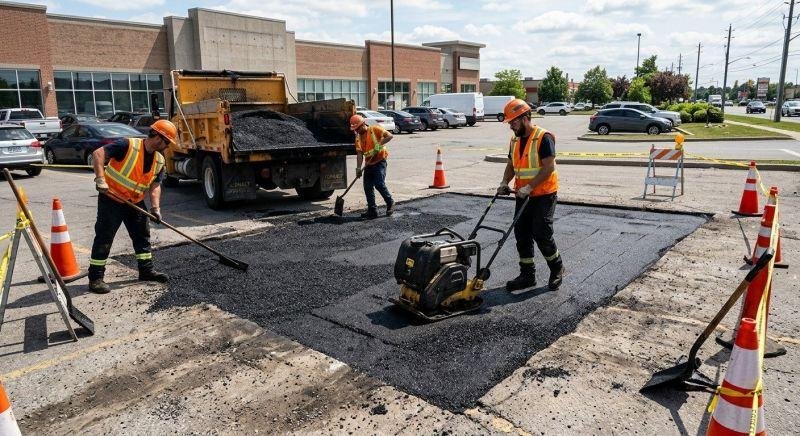
A pothole can develop when the pavement loses support and traffic breaks apart the weakened surface. If the problem is limited to one area, removing failed material, correcting the underlying issue and installing a properly compacted patch may restore the section without rebuilding the entire pavement.
The important question is whether the pothole is isolated or part of a repeating pattern. Several potholes appearing across the same lot, especially after earlier patches, can indicate a larger structural or drainage problem.
3. Widespread Alligator Cracking Is a Structural Warning
Alligator cracking is the interconnected pattern of small blocks that resembles reptile skin. It is one of the clearest signs that the pavement is no longer behaving like a stable, unified surface. This type of distress is commonly associated with structural weakness, repeated loading or support problems below the asphalt.
Filling the visible cracks may improve appearance temporarily, but it does not rebuild a weak base. When alligator cracking covers a large area, the evaluation should move beyond surface repair and consider full-depth reconstruction of the failed sections or broader replacement.
4. Sinking, Rutting or Soft Areas Suggest Problems Below the Surface
Pavement should provide a stable driving and parking surface. Depressions, wheel-path ruts, soft areas or sections that continue to sink can signal movement or inadequate support beneath the asphalt. These problems are especially important in commercial lots where delivery trucks, refuse vehicles and repeated turning movements create concentrated loads.
An overlay placed over unstable pavement can inherit the same movement. Before resurfacing, the contractor should identify and correct failed areas so the new layer is not being asked to hide a structural problem.
5. Standing Water Changes the Repair Decision
Water is one of the most important clues in a pavement inspection. Ponding may indicate poor grading, settlement, blocked drainage or low areas. Once moisture repeatedly reaches cracks and supporting materials, deterioration can accelerate.
For that reason, a long-term repair plan should address the path of the water, not only the damaged asphalt. Curbs, transitions, drainage structures and adjacent concrete may also need attention. Where these components are involved, 801-ASPHALT’s concrete services can be coordinated with asphalt work to reduce avoidable rework.
6. Repeated Repairs in the Same Area Can Mean It Is Time to Rebuild
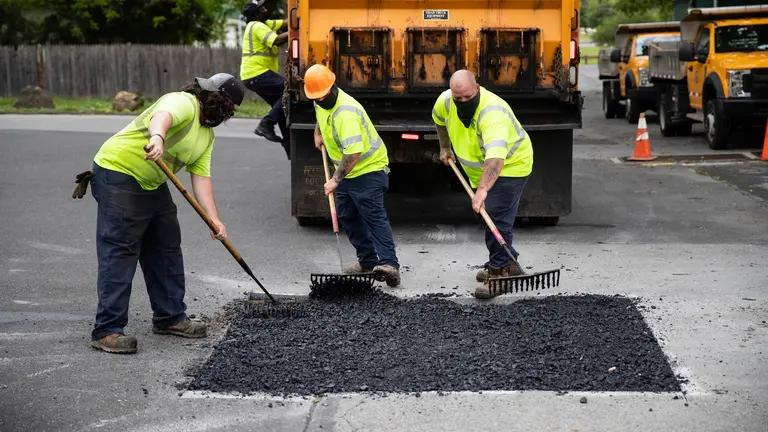
A patch should solve an appropriate localized problem. If the same area repeatedly cracks, settles or breaks apart, the recurring failure deserves a deeper diagnosis. Continually repairing the surface can become more expensive and disruptive than correcting the root cause.
Property managers should keep a simple history of problem areas. If crews return to the same section year after year, ask whether drainage, base condition, traffic loading or pavement thickness is contributing to the failure.
7. Surface Aging Alone Does Not Always Require Replacement
Gray color, minor oxidation and a weathered appearance can make asphalt look older than it is structurally. If the pavement remains stable and major cracking or deformation is absent, preventive maintenance may still be appropriate.
Depending on pavement condition, sealcoating can be part of a broader maintenance strategy to protect a suitable asphalt surface from weather, moisture, UV exposure and vehicle fluids. Sealcoating is not a structural repair, so failed pavement should be repaired first.
8. A Sound Base May Make Resurfacing a Better Middle Option
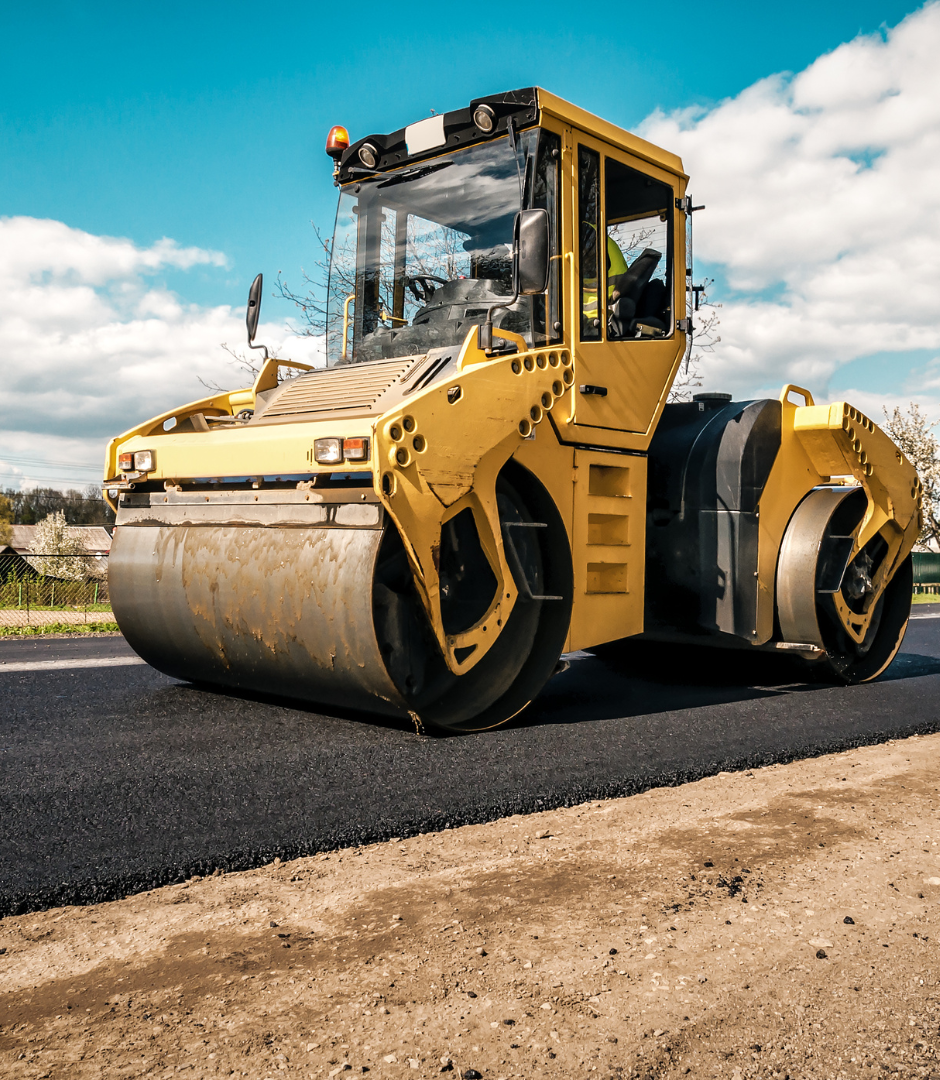
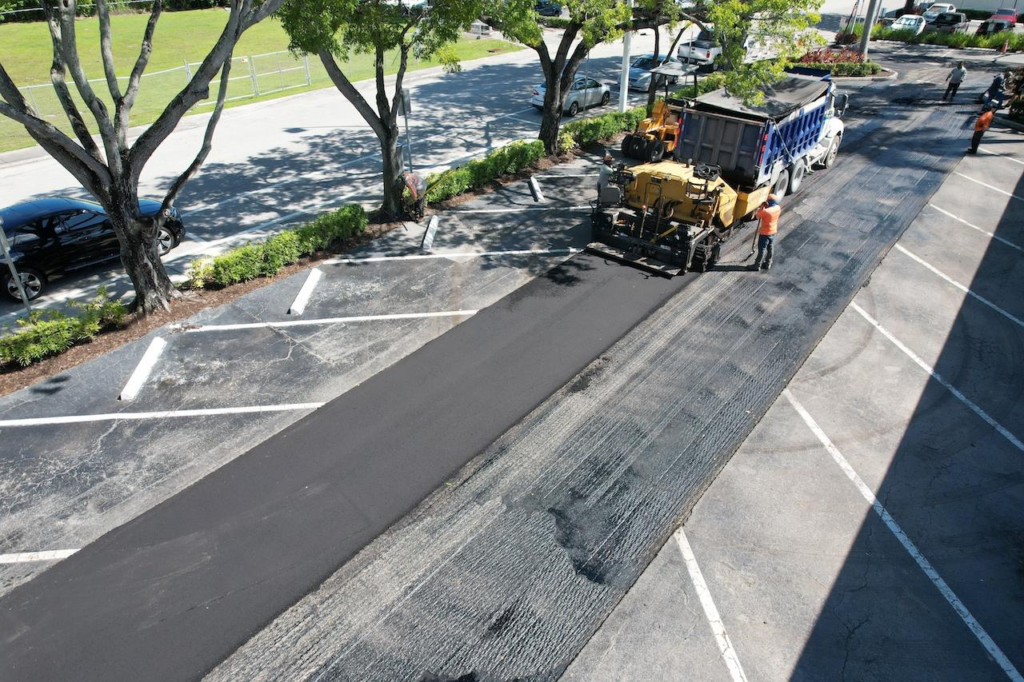
There is an important option between patching and complete replacement: asphalt resurfacing, often called an overlay. When the existing pavement has widespread surface wear but the underlying structure remains stable, the surface can be prepared and a new asphalt layer installed.
Resurfacing can improve ride quality and appearance while avoiding unnecessary full-depth reconstruction. It is not appropriate everywhere, however. Significant base failure, widespread movement or unresolved drainage problems should be corrected before an overlay is considered.
9. Extensive Damage Across the Property Often Favors Replacement
When deterioration is no longer isolated — widespread cracking, multiple failed areas, settlement, recurring potholes and drainage issues — full replacement may offer the clearer long-term path. Replacement allows failed asphalt to be removed, weak areas to be corrected, grades to be improved where appropriate, and new pavement to be constructed on a properly prepared foundation.
This is particularly relevant when a commercial lot must support heavy or frequent traffic. The pavement section should reflect how the property is actually used rather than relying on a one-size-fits-all repair.
How Utah Weather Affects the Repair-or-Replace Decision
Utah pavement experiences a demanding combination of summer heat, winter freezing, snow, moisture and rapid temperature changes. When water enters existing cracks and temperatures cycle above and below freezing, weak areas can become more pronounced. UV exposure and oxidation can also dry and age the asphalt surface over time.
This makes early maintenance especially valuable. A small defect that can be treated today may require a larger repair after additional seasons of water intrusion and traffic. The best maintenance schedule is condition-based: inspect the pavement regularly and respond to developing problems before they become structural.
A Simple Decision Checklist for Utah Property Owners
| Likely Direction | Typical Conditions |
| Repair is more likely | Damage is isolated; pavement around it is stable; no widespread settlement; drainage is functioning; base appears sound. |
| Resurfacing may be appropriate | Surface is broadly worn; cracking is manageable; grades/drainage are acceptable; underlying pavement remains structurally serviceable. |
| Replacement deserves serious consideration | Alligator cracking is widespread; pavement is sinking or soft; potholes repeatedly return; drainage failures are extensive; large areas show structural distress. |
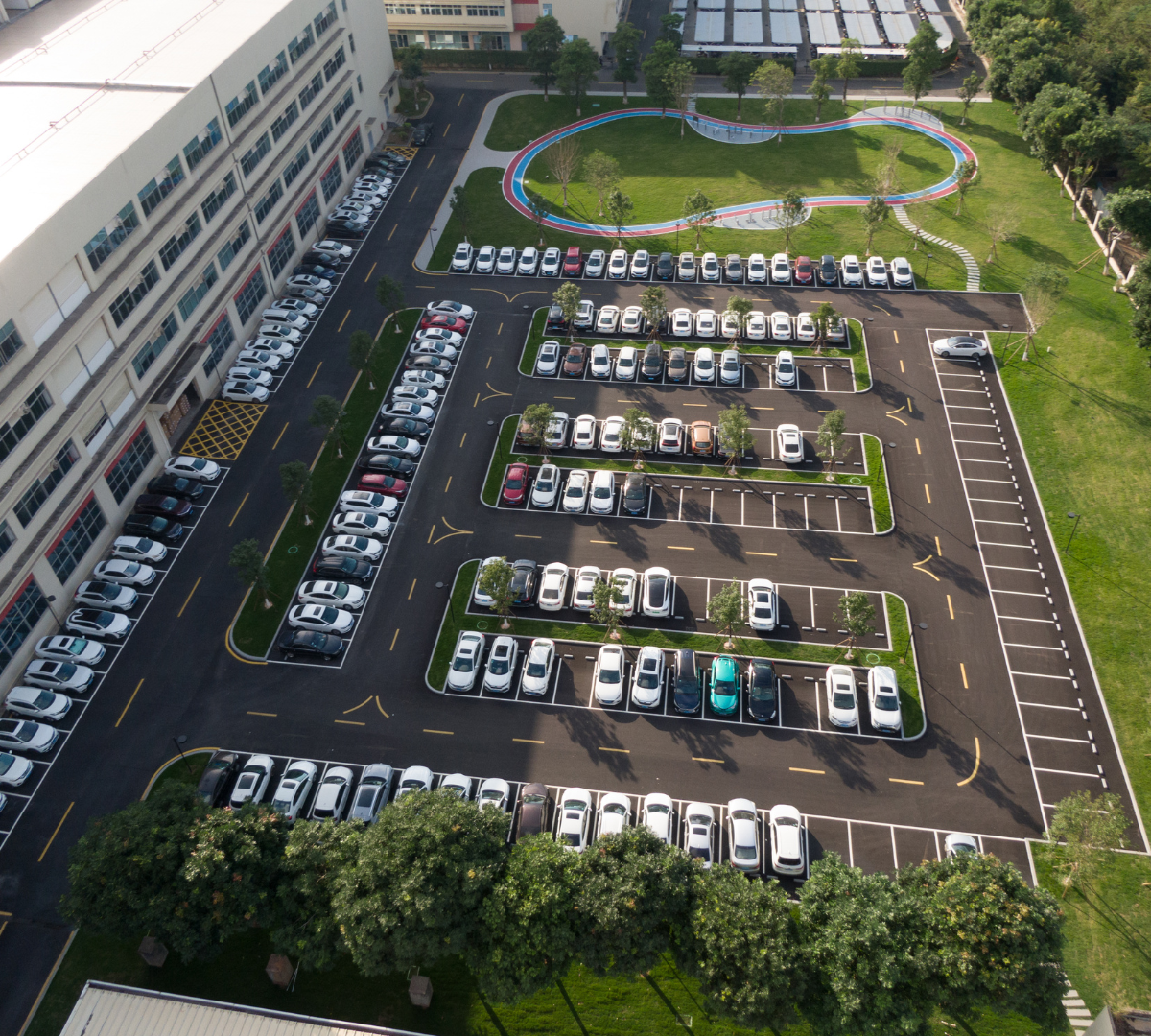
Commercial Parking Lots Need a Lifecycle Plan, Not One-Off Repairs
For a business, HOA or managed property, pavement decisions affect more than appearance. Uneven surfaces and potholes can affect vehicle movement and pedestrian comfort; closures can disrupt tenants and customers; faded markings can make traffic flow less clear. A planned maintenance program makes it easier to budget and prioritize work before emergencies develop.
A practical pavement maintenance plan can combine inspections, crack treatment, localized repairs, sealcoating where appropriate and future resurfacing. After major paving or sealcoating work, parking lot striping can restore stalls, directional markings and other traffic-control markings.
What Should a Contractor Check Before Recommending Replacement?
- The type, location and extent of cracking
- Potholes and previously patched areas
- Rutting, settlement and soft spots
- Drainage patterns and standing water
- Condition of pavement edges and transitions
- Traffic type, including delivery and heavy vehicles
- Condition of the base in failed areas
- Whether resurfacing can be performed without trapping an existing structural problem
A good recommendation should explain why a treatment is appropriate. Property owners should understand whether the proposed work addresses the cause of the failure or only the visible symptom.
Repair the Right Problem at the Right Time
The most economical asphalt decision is not always the lowest-cost treatment today. A small repair is valuable when the problem is genuinely localized. Resurfacing is valuable when the surface is worn but the structure remains sound. Replacement is valuable when it eliminates recurring structural failure that patches cannot solve.
801-ASPHALT is a locally owned Utah asphalt company with more than 30 years of combined industry experience. If you are unsure whether your driveway, road or parking lot needs repair, resurfacing or replacement, start with a site evaluation. Explore asphalt repair for damaged pavement or asphalt paving services when a larger reconstruction or new paving project is required.
| NOT SURE WHETHER TO REPAIR OR REPLACE YOUR ASPHALT? Ask 801-ASPHALT to evaluate the pavement and recommend the most practical next step for your Utah property. |
Frequently Asked Questions
Is it better to repair or replace asphalt?
Repair is usually appropriate for localized damage when the surrounding pavement and base are stable. Replacement becomes more appropriate when structural failures are widespread or the base is no longer providing reliable support.
Can badly cracked asphalt be resurfaced?
Sometimes, but it depends on the cause and extent of cracking. An overlay cannot correct a failed foundation. Structural problems should be repaired before resurfacing is considered.
Does alligator cracking mean asphalt must be replaced?
Widespread alligator cracking is a strong warning of structural distress. Localized failed areas may sometimes be reconstructed individually, while extensive failure may justify broader replacement.
Should potholes be patched or should the pavement be replaced?
An isolated pothole can often be repaired. Multiple recurring potholes across a property can indicate deeper base, drainage or structural problems that require a broader solution.
How does Utah weather damage asphalt?
Temperature swings, freeze-thaw conditions, moisture, snow, UV exposure and traffic can all contribute to asphalt aging and deterioration, especially where water is already entering cracks.
How often should a commercial parking lot be inspected?
There is no single schedule for every property, but regular visual inspections and checks after severe seasons or noticeable changes help identify cracks, drainage problems and failed areas before they become larger repairs.