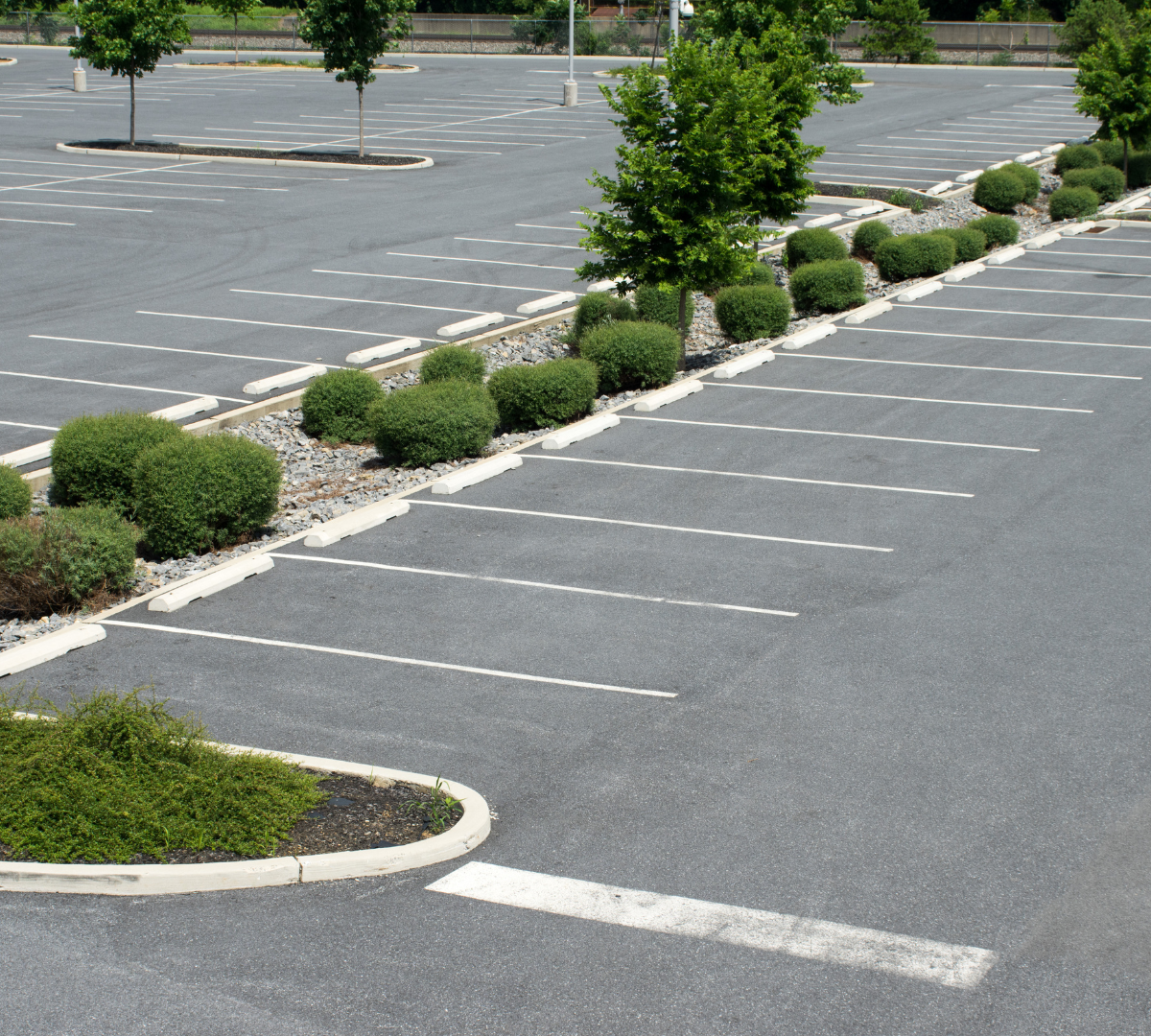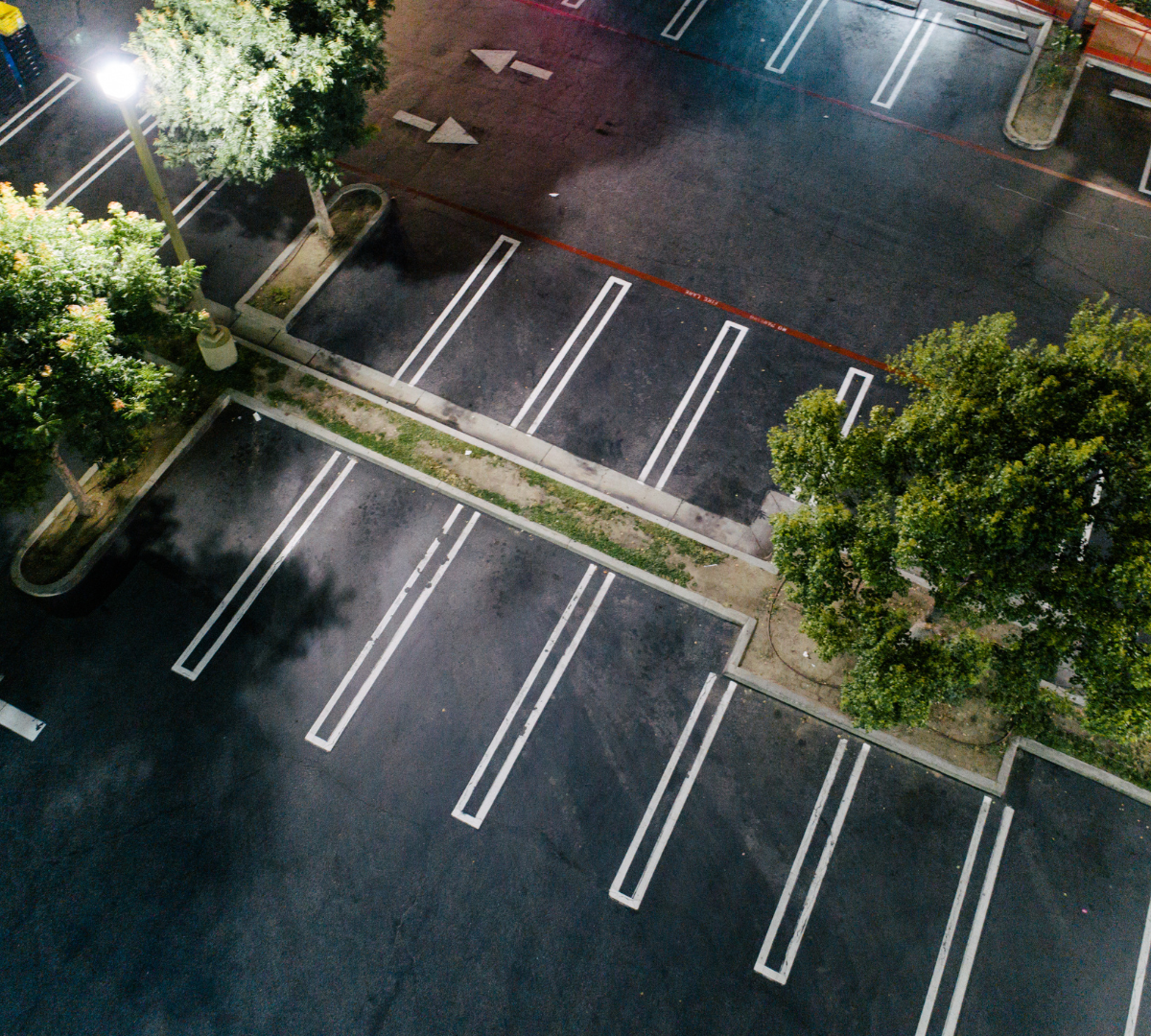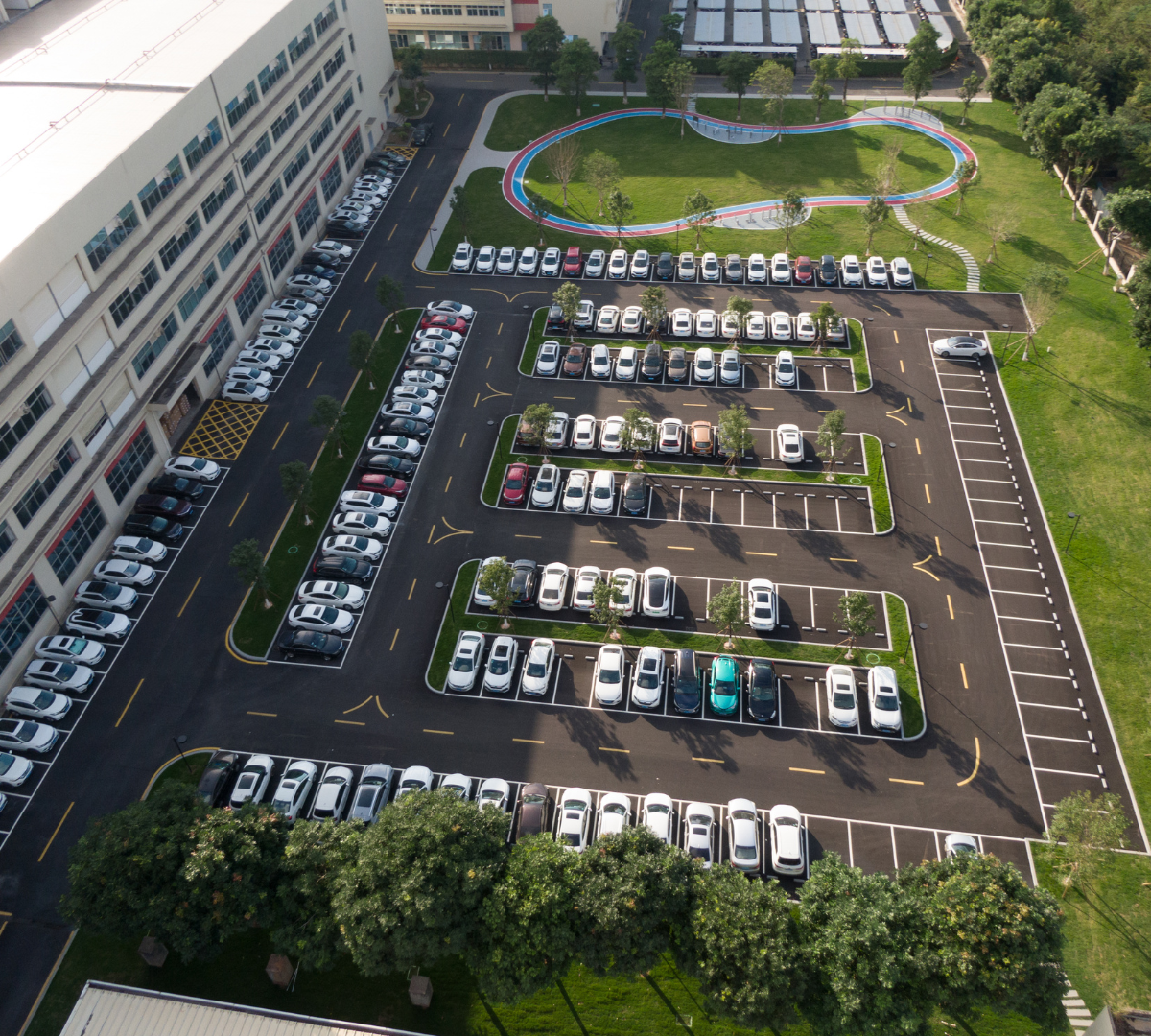

A commercial parking lot is more than a place to park vehicles. It affects how customers enter a property, how delivery vehicles move, how water drains, and how professional the site appears. In Utah, it also has to perform through intense summer sun, winter freezing, snow removal, precipitation, and repeated freeze-thaw cycles.
That makes commercial asphalt paving a planning decision, not simply a surface upgrade. Before scheduling a project, property owners and facility managers should understand the condition of the existing pavement, the strength of the base, drainage, traffic demands, repair options, project timing, and the maintenance the new surface will need.
801-ASPHALT provides commercial asphalt paving services for Utah properties, backed by more than 30 years of combined field experience. This guide explains the factors worth evaluating before your next paving project.
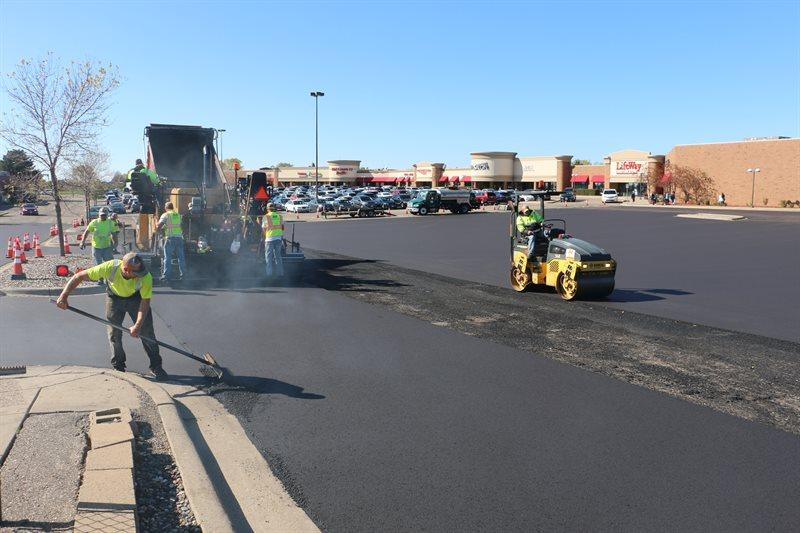
Why Utah Commercial Pavement Needs a Local Paving Strategy
Asphalt is durable and flexible, but its performance depends heavily on what happens below and around the paved surface. Utah properties can experience large temperature swings. Water that enters pavement cracks or an unstable base can contribute to deterioration, and freezing conditions can make existing weaknesses more noticeable. Heavy vehicles, delivery routes, snowplows, oil or fuel exposure, and constant turning movements can add further stress.
A strong paving plan therefore considers the full pavement system: subgrade, aggregate base, drainage, asphalt thickness, compaction, transitions, curbs, traffic patterns and future maintenance. A smooth top layer cannot permanently correct a failing foundation.
Start With a Professional Site and Pavement Assessment
The first step should be an on-site evaluation. A contractor should look beyond visible cracks and identify why the pavement is failing. That may include checking for soft or unstable areas, rutting, depressions, potholes, drainage problems, failed patches, edge deterioration and areas exposed to unusually heavy traffic.
For existing parking lots, the assessment should also determine whether isolated repairs are sufficient or whether the property would receive better long-term value from resurfacing or full-depth replacement. 801-ASPHALT’s approach to pavement maintenance includes inspection, condition evaluation, prioritization and long-term planning so maintenance dollars can be directed toward the areas where they matter most.
Repair, Resurface or Replace? Know the Difference
Not every worn parking lot requires complete reconstruction. The correct treatment depends on the severity and cause of the deterioration.
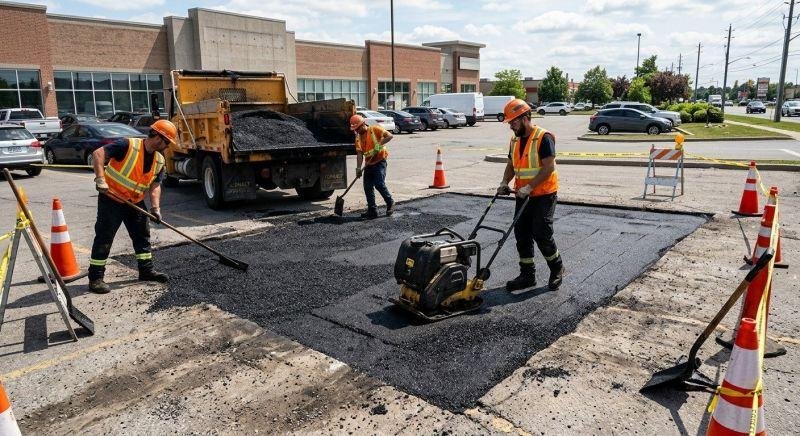
- Asphalt repair: Localized potholes, failed sections and damaged areas may be candidates for targeted repair when the surrounding pavement and base remain serviceable.
- Asphalt resurfacing or overlay: When the existing pavement has widespread surface wear but the underlying structure is still reasonably sound, resurfacing may provide a new wearing surface without complete removal.
- Full-depth replacement: When failures are structural, drainage is poor, the base is unstable, or deterioration is extensive, removal and reconstruction may be the more responsible long-term option.
If potholes, failed sections or cracking are already present, review 801-ASPHALT’s asphalt repair options before deciding whether the entire lot needs replacement.
Base Preparation and Grading Matter as Much as the Asphalt
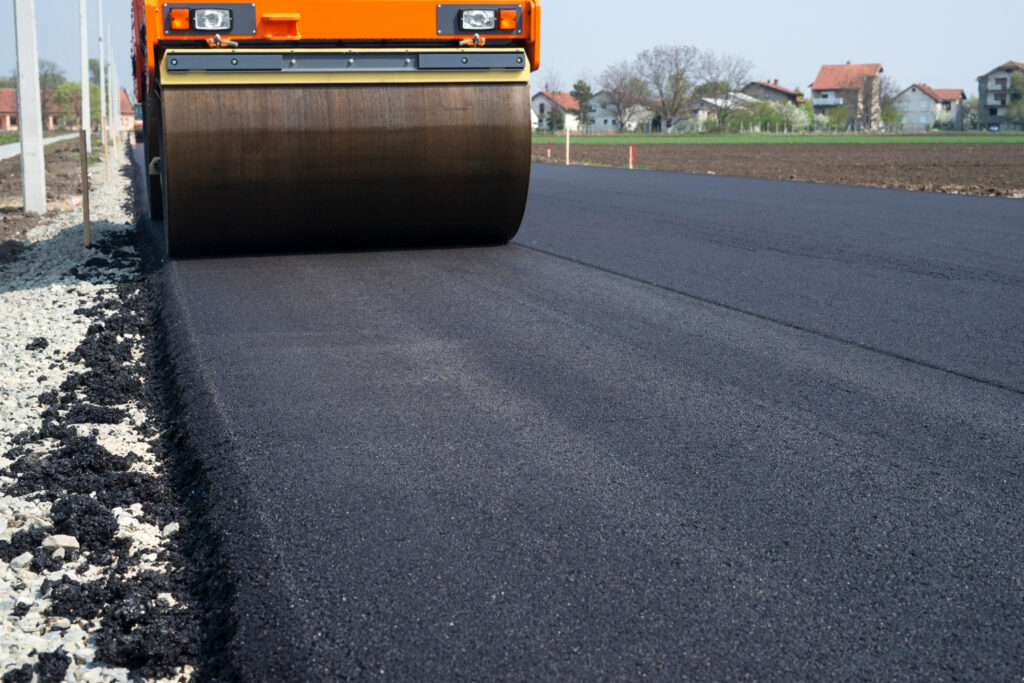
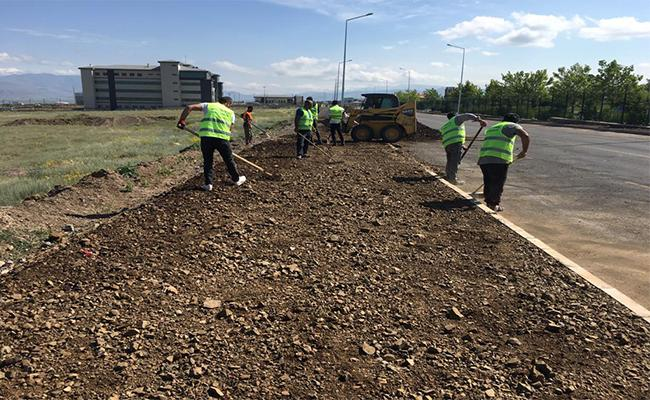
One of the most important lessons in parking lot paving is that the finished surface is only as dependable as the foundation supporting it. Proper grading establishes the intended elevations and helps water move away from the pavement rather than collecting in low spots. The aggregate base must also be properly prepared and compacted to support anticipated traffic.
This is especially important around loading zones, dumpster areas, entrances, drive-through lanes and other high-stress locations. If the base moves or water repeatedly reaches it, cracks, settlement and potholes can return even after a new surface is installed.
Drainage Should Be Solved Before New Asphalt Is Installed
Standing water is not merely an appearance issue. Water can enter open cracks and pavement joints, weaken supporting materials and contribute to recurring failures. During planning, contractors should evaluate slopes, low areas, drainage paths, curbs, inlets and transitions between asphalt and concrete.
Where concrete components such as curbs, sidewalks, entrance pads, loading areas or ADA ramps also need work, coordinating them before final paving can reduce rework. 801-ASPHALT also provides commercial concrete services for exterior flatwork and high-use commercial areas.
Plan the Asphalt Section for the Property’s Traffic
A retail parking lot, office property, multifamily community and industrial site do not all place the same demands on pavement. Passenger vehicles create different loading conditions than refuse trucks, delivery vehicles or heavy commercial traffic. The paving design should reflect how the site is actually used instead of applying one generic specification everywhere.
High-use areas may need additional attention to base stability, pavement thickness, turning movements and transitions. A qualified asphalt paving contractor should explain the proposed scope and why it is appropriate for the property rather than simply quoting a square-foot price without context.
Minimize Business Disruption With Phased Paving
For an operating business, access can be as important as the paving itself. Parking lot work may temporarily affect customer parking, deliveries, employee access and traffic flow. A well-planned project can divide work into phases, establish temporary routes and coordinate the schedule around the property’s busiest periods.
Before work starts, confirm which entrances will remain open, where vehicles should park, how deliveries will be handled, when newly paved areas can reopen, and when striping will be completed. Clear communication reduces confusion for tenants, customers and vendors.
Finish the Project With Clear Parking Lot Striping
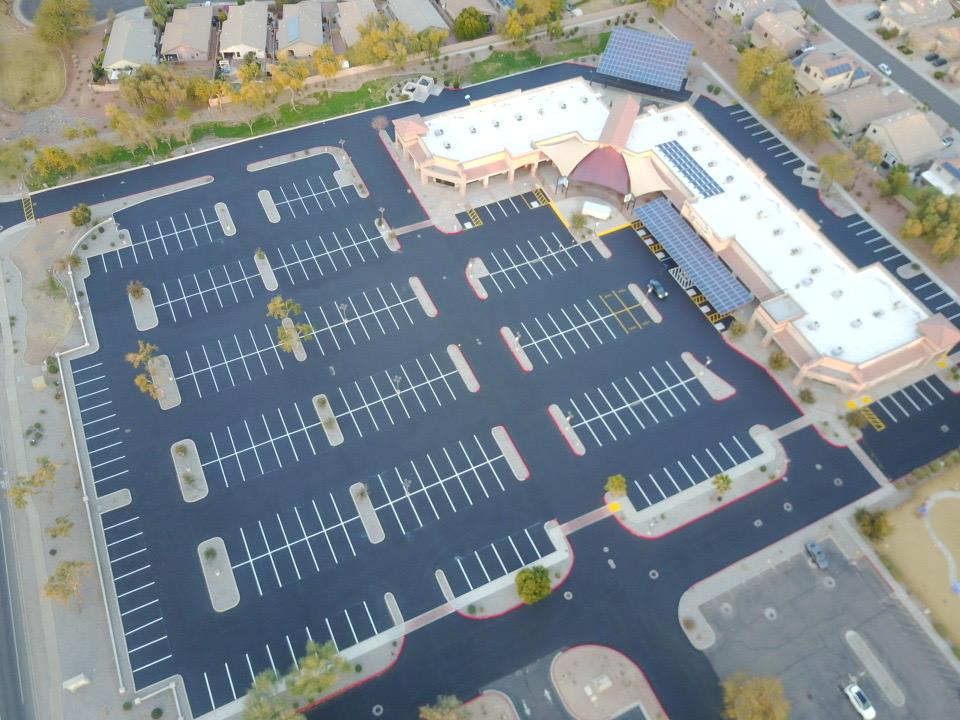
Once the pavement is ready for traffic markings, fresh striping helps organize parking spaces, directional flow, loading areas, fire lanes and accessible parking. Well-planned markings also make a newly paved property look complete and easier to navigate.
801-ASPHALT’s parking lot striping service can be coordinated with paving and maintenance work so the finished lot is functional as well as visually improved.
Protect New Asphalt With Preventive Maintenance
The best time to think about maintenance is before the new pavement begins to deteriorate. Small cracks should be addressed before they provide an easier path for water. Surface condition should be reviewed periodically, especially after winter or where snowplows and heavy traffic operate.
Two important services in a preventive program are crack sealing and sealcoating. Crack sealing targets openings before they grow into more expensive pavement failures, while sealcoating can help protect suitable asphalt surfaces from weather exposure, UV, water and vehicle fluids. The correct timing should be based on pavement condition rather than an arbitrary calendar date.
What Should You Ask a Commercial Asphalt Paving Contractor?
Before selecting a contractor, ask questions that reveal how the project will be planned and built:
- What pavement failures do you see, and what is causing them?
- Does the existing base need repair, stabilization or replacement?
- How will drainage and low spots be addressed?
- Is repair, resurfacing or full replacement the best option — and why?
- How is the paving scope adjusted for heavy-traffic areas?
- How will the project be phased to maintain property access?
- What preparation is included before asphalt placement?
- When can vehicles return to the paved area?
- Is parking lot striping included or coordinated after paving?
- What maintenance should be planned after installation?
A detailed answer is more valuable than a vague promise. The contractor should be able to connect the recommended work to the actual condition and use of your property.
When Is the Best Time for Asphalt Paving in Utah?
Asphalt placement generally benefits from suitable ground and air temperatures because temperature affects workability and compaction. In Utah, paving schedules are therefore influenced by season, daily weather, project size and site conditions. Spring through fall commonly provides more workable paving windows, but the exact timing should be confirmed for the specific project rather than chosen by month alone.
Property owners should also plan early. Commercial projects may require site evaluation, budgeting, tenant coordination, repairs to adjacent concrete, drainage work and striping logistics before the paving crew arrives.
Build a Parking Lot for Long-Term Performance, Not Just Day-One Appearance
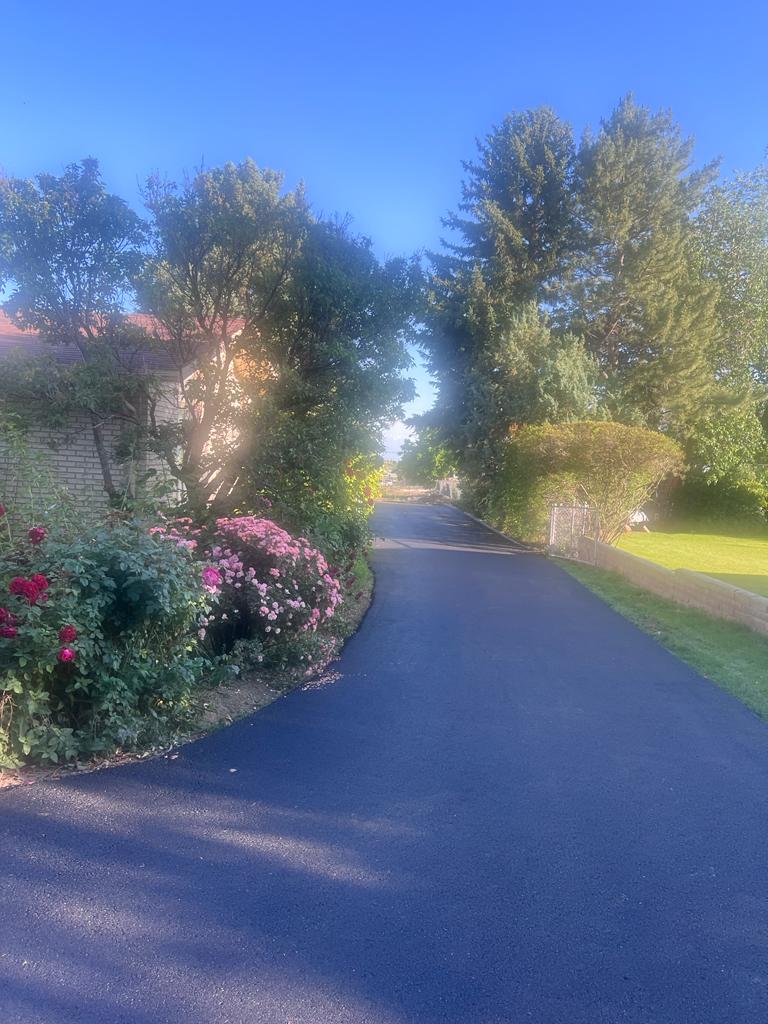
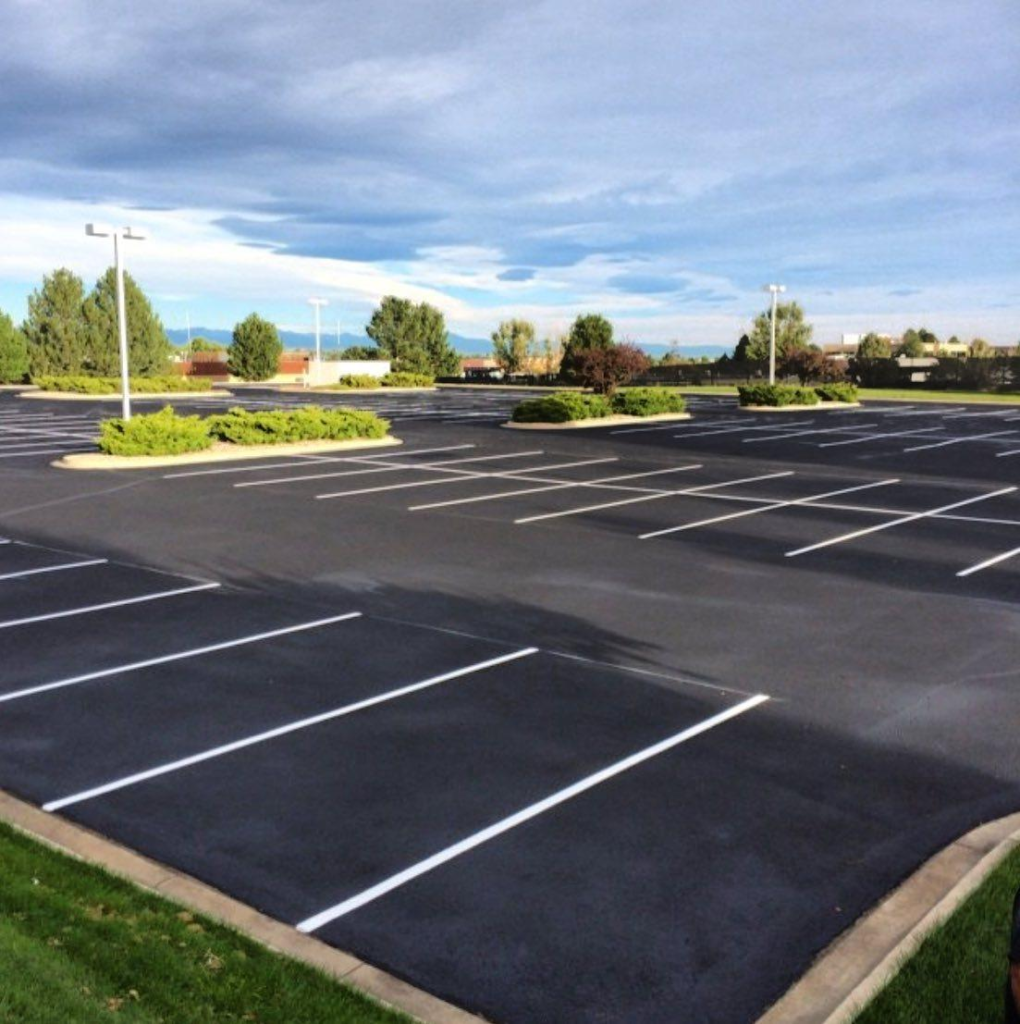
New blacktop immediately improves curb appeal, but the real value of commercial asphalt paving is measured over years of traffic and Utah weather. Proper assessment, base preparation, grading, drainage, compaction, project phasing and preventive maintenance all influence how well the pavement performs.
If you are planning a new commercial parking lot, resurfacing an existing property or deciding whether damaged pavement should be repaired or replaced, 801-ASPHALT can evaluate the site and recommend a practical paving approach based on its condition, traffic and budget.
| READY TO DISCUSS YOUR UTAH ASPHALT PAVING PROJECT? Contact 801-ASPHALT for a professional assessment and paving recommendation for your commercial property. |
Frequently Asked Questions
How long does a commercial asphalt parking lot last in Utah?
Service life varies with pavement design, base condition, drainage, traffic, weather exposure, installation quality and maintenance. A contractor should evaluate these factors before giving a site-specific expectation.
Is asphalt resurfacing cheaper than replacing a parking lot?
Resurfacing can be more cost-effective when the existing pavement structure is still suitable. If the base has widespread structural failures or serious drainage problems, replacement may provide better long-term value.
Can a parking lot remain open during commercial paving?
Many projects can be phased to preserve some access, depending on the property layout and scope. Traffic routing, customer access, deliveries and reopening times should be planned before construction begins.
Why is drainage important for asphalt pavement?
Water can enter cracks and joints and contribute to deterioration of the pavement system. Proper grading and drainage help move water away from the surface and supporting base.
What maintenance does a newly paved parking lot need?
Routine inspections, timely crack treatment, repairs where needed, appropriate sealcoating, drainage upkeep and refreshed striping can all form part of a long-term pavement maintenance plan.